Newsletter Subscribe
Enter your email address below and subscribe to our newsletter
Enter your email address below and subscribe to our newsletter

 ByJohn A
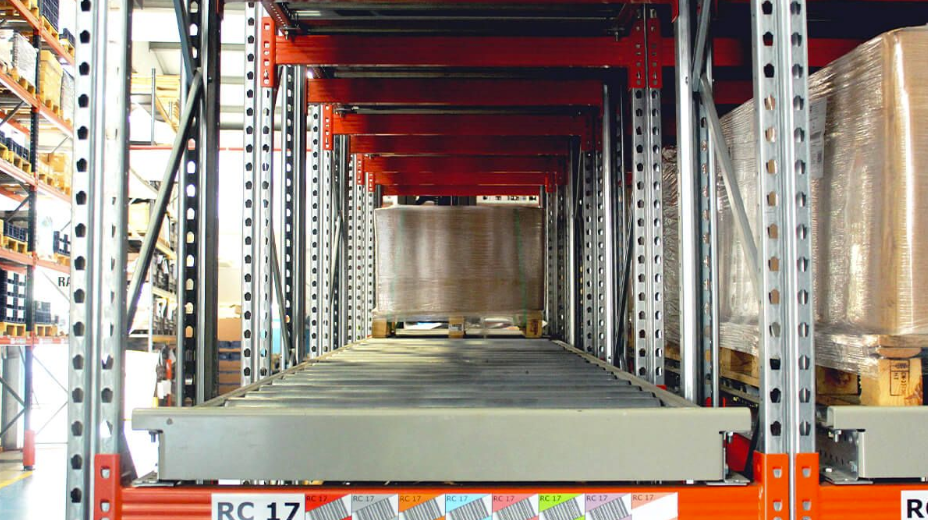
Fast inventory access is important for every busy warehouse. When workers spend too much time looking for products, moving pallets, or clearing blocked aisles, daily operations become slower and more expensive. A smart storage layout can solve many of these problems. High density pallet racking helps warehouses store more products while keeping inventory organized and easier to reach. Unlike basic floor storage, a well-planned rack layout uses vertical space and creates clear storage locations for different products. This makes it easier for workers to know where each pallet belongs and where to find it when needed. A high density racking system can also reduce wasted floor space and improve the movement of forklifts. When storage locations are clearly arranged, employees can spend less time searching and more time picking, loading, and shipping orders. This makes inventory access faster and helps warehouses handle daily demand more smoothly.
Warehouse space is often limited, so every square foot needs to be used wisely. Traditional floor stacking can take up large areas and may create crowded storage zones. High density racking solves this issue by using both floor space and vertical space. Pallets can be stored at several levels, allowing a warehouse to hold more goods without needing a larger building. Better space use also helps create wider and clearer working areas in important parts of the facility. When products are stored in fixed rack positions, workers can move through the warehouse with a clearer understanding of where inventory is located. A properly designed warehouse pallet rack system can separate products by type, size, demand, or order group. This organized structure makes stock easier to identify and retrieve. As a result, employees spend less time moving unnecessary pallets and more time completing useful warehouse tasks.
See also: How to Use a Fumot Vape Effectively: A Technology-Focused Guide
Picking speed depends heavily on how products are stored. If pallets are placed without a clear system, workers may need to search through several areas before finding the right item. This can create delays, especially in warehouses with thousands of products. High density pallet racking provides defined storage locations that help workers find inventory more quickly. Each rack position can be assigned to a particular product or stock group. Labels, location numbers, and warehouse software can further improve this process. Workers can check the product location before entering the storage area, reducing unnecessary travel. A high density racking system can also be designed around product demand. Fast-moving products may be placed in easier-to-access areas, while slower-moving goods can be stored in higher or less convenient positions. This approach creates a smoother picking process and helps teams complete more orders in less time.
Forklift travel can take up a large part of a warehouse worker’s day. Poor storage layouts may force drivers to travel long distances or move several pallets before reaching the required product. High density racking solutions can help reduce these problems by creating a planned storage layout with clear access routes. When rack positions are arranged carefully, forklifts can reach products without unnecessary movement. The warehouse can also organize racks based on product flow, receiving areas, picking zones, and shipping locations. This creates a more logical path for material handling equipment. Clear rack labeling makes the process even easier because forklift operators can quickly identify the correct location. Good planning is important, as high-density storage should never reduce safe access. The rack design must provide suitable aisles and operating space for the equipment being used. When safety and efficiency work together, warehouses can achieve faster inventory movement without creating unnecessary handling problems.
Not every product in a warehouse moves at the same speed. Some items may be ordered every day, while others may remain in storage for weeks or months. A smart storage plan places products according to their movement patterns. High density racking makes it easier to create different storage zones for fast-, medium-, and slow-moving inventory. Frequently requested products can be stored in locations that provide quick access, reducing travel and picking time. Slower-moving products can use storage positions that are less convenient but still suitable for safe long-term storage. This method helps workers focus on the products that matter most during busy periods. A warehouse pallet rack system can support this strategy by giving each inventory group a planned location. When product demand changes, warehouse managers can adjust the layout or location assignments. This flexibility helps maintain efficient inventory access as business needs grow and product volumes change.
Speed is valuable, but fast access is only helpful when workers pick the correct products. Poor storage organization can lead to misplaced pallets, incorrect orders, and inventory count problems. High density pallet racking supports better inventory control by giving products fixed and clearly defined locations. Workers can record where goods are stored and update inventory information when products are received, moved, or shipped. This creates a more accurate picture of available stock. Clear rack labels can also reduce confusion between similar products. When storage locations are consistent, employees can learn the warehouse layout faster and complete routine tasks with greater confidence. A high density racking system can work with barcode scanners or warehouse management software to provide even better tracking. Accurate location data means workers do not need to search multiple aisles for missing stock. This saves time while reducing picking errors, helping the warehouse maintain both speed and accuracy.
Warehouses often change over time. Product sizes, order volumes, packaging methods, and customer needs can all change. For this reason, storage systems should provide enough flexibility to handle future requirements. High density racking solutions can be planned for different pallet sizes, load weights, and storage needs. Adjustable rack levels can make it easier to change storage positions when product dimensions change. Some facilities may also combine different rack designs to support different types of inventory. The right solution depends on warehouse size, product movement, forklift type, safety requirements, and access needs. A flexible system can prevent the warehouse from becoming difficult to manage as stock levels increase. Managers should also review the layout regularly to identify unused space or slow storage areas. By making small improvements over time, businesses can keep their warehouse pallet rack system efficient and useful. This helps maintain quick inventory access even when warehouse operations become more complex.
Faster inventory access can improve almost every part of warehouse operations. From picking and replenishment to forklift movement and shipping, an organized storage system helps employees complete tasks with less wasted time. High density pallet racking makes better use of vertical space while providing clear locations for pallets and products. At the same time, high density racking can help businesses organize stock based on product demand and movement patterns. When combined with accurate labels, inventory tracking, safe aisle design, and proper warehouse planning, these systems can create a faster and more reliable working environment. The best high density racking system is one that matches the warehouse’s products, equipment, and daily workflow. Businesses should focus on both storage capacity and easy access when choosing their solution. With the right high density racking solutions, warehouses can reduce unnecessary travel, improve inventory accuracy, and support faster order fulfillment while making better use of the space they already have.