
Introduction
Security has become an important concern for homeowners, business owners, offices, retail stores, warehouses, and industrial facilities. As properties become more valuable and security risks continue to evolve, many people are investing in surveillance systems to protect their surroundings. A CCTV Camera is one of the most practical tools for monitoring activities, recording important events, and improving overall security.
However, choosing the right surveillance equipment is only one part of the process. Finding a reliable CCTV Camera Dealer is equally important because a knowledgeable dealer can help customers select suitable products, understand available features, and arrange professional installation. By making informed decisions, individuals and businesses can build a dependable security system that meets their specific requirements.
What Is a CCTV Camera?
CCTV stands for Closed-Circuit Television. A CCTV camera captures video footage and transmits it to a designated monitoring system, recording device, or authorized viewing platform. Unlike conventional broadcasting systems, CCTV is designed primarily for controlled surveillance.
Modern CCTV cameras offer various features, including high-definition recording, night vision, motion detection, remote viewing, and digital video storage. These capabilities allow users to monitor properties during working hours and outside regular operating times.
CCTV systems are available in different designs and configurations. Some cameras are suitable for indoor spaces, while others are specifically designed for outdoor environments. Selecting the right type depends on the location, lighting conditions, monitoring objectives, and available budget.
Different Types of CCTV Cameras
Understanding the available camera options helps customers choose an appropriate surveillance solution.
Dome Cameras
Dome cameras feature a rounded housing and are commonly installed in offices, shops, hotels, and indoor commercial environments. Their compact design allows them to blend into different surroundings. Some models also support wide-angle viewing, making them useful for monitoring larger indoor areas.
Bullet Cameras
Bullet cameras have a recognizable cylindrical shape and are frequently used for outdoor surveillance. They can be installed near entrances, parking areas, building perimeters, and loading zones. Weather-resistant models are suitable for locations exposed to outdoor conditions.
IP Cameras
Internet Protocol cameras transmit video through network connections. Depending on the model and system configuration, users can view footage through authorized computers or mobile applications. IP cameras may also support higher resolutions, advanced analytics, and integration with other security devices.
Wireless CCTV Cameras
Wireless cameras use wireless connectivity to transmit video or communicate with a network. They can be convenient in locations where running network cables is difficult. However, customers should consider signal strength, power requirements, network security, and recording options before purchasing a wireless system.
PTZ Cameras
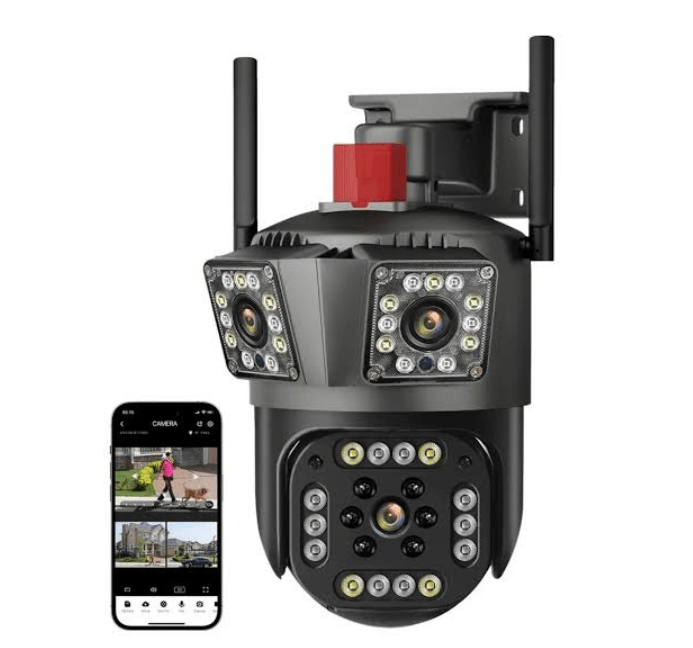
Pan-Tilt-Zoom cameras allow operators to adjust the camera’s viewing direction and zoom level remotely. These systems are often used in large commercial facilities, parking complexes, industrial properties, and other environments that require flexible monitoring.
Why Choose a Professional CCTV Camera Dealer?
A professional CCTV Camera Dealer helps customers identify equipment that matches their security needs instead of relying entirely on product specifications or promotional claims.
Expert Product Recommendations
Different properties require different surveillance arrangements. A small shop may need a few cameras covering entrances and payment counters, whereas a warehouse might require broader coverage and centralized recording. An experienced dealer can evaluate these requirements and recommend suitable equipment.
Access to Different Camera Options
A dependable dealer may offer multiple camera types, recording devices, storage solutions, networking accessories, and installation components. Comparing these options helps customers understand the differences between products and select a system that fits their requirements.
Installation and Configuration Support
Camera performance depends on more than hardware quality. Incorrect positioning, poor lighting, unsuitable cabling, or improper network configuration can reduce the usefulness of a surveillance system. Professional installation support helps address these issues and ensures that the equipment is configured correctly.
Maintenance and After-Sales Assistance
CCTV systems need occasional maintenance, software updates, cleaning, and troubleshooting. Choosing a dealer who offers clear warranty information and dependable after-sales support can make it easier to maintain the system over time.
Important Features to Consider Before Buying a CCTV Camera
Before purchasing a surveillance system, customers should compare several technical and practical features.
Video Resolution
Resolution determines the amount of visual detail captured by a camera. Higher-resolution cameras can provide clearer footage, although the final result also depends on lighting, lens quality, compression, and recording settings.
Night Vision
Night vision is valuable for locations that require monitoring after dark. Infrared technology enables many cameras to capture footage in low-light conditions. Customers should check the camera’s low-light performance and whether additional lighting is necessary.
Storage Capacity
CCTV systems may store footage on digital video recorders, network video recorders, memory cards, or approved cloud services. The required storage capacity depends on the number of cameras, video quality, recording schedule, and retention period.
Motion Detection
Motion detection can help identify activity and reduce unnecessary recordings when configured appropriately. Some advanced systems offer intelligent alerts, but users should review the available features and adjust sensitivity to reduce false notifications.
Remote Monitoring
Remote access enables authorized users to check live video or recorded footage through compatible devices. Customers should confirm that the system supports their preferred devices and offers suitable account security.
See also: How Better Branding Can Give a Tech Website a More Professional Edge
CCTV Camera Solutions for Homes and Businesses
CCTV cameras serve different purposes depending on the environment.
For residential properties, cameras can help monitor entrances, garages, driveways, and shared outdoor areas. Homeowners should position cameras carefully to protect personal privacy and avoid recording neighboring private spaces unnecessarily.
Retail stores can use surveillance systems to monitor entrances, checkout areas, stockrooms, and customer service zones. In offices, cameras may support access monitoring and general premises security, subject to applicable workplace privacy requirements.
Factories and warehouses may benefit from systems designed for larger areas, challenging lighting conditions, and continuous operation. Educational institutions and healthcare facilities may also use CCTV systems in appropriate common areas, while following relevant privacy and data protection rules.
A qualified CCTV Camera Dealer can help assess these different requirements and suggest a suitable combination of cameras, recording equipment, and accessories.
How to Select the Best CCTV Camera Dealer
Choosing a dealer requires more than comparing prices. Customers should evaluate the supplier’s product knowledge, service quality, and overall reliability.
First, review the available brands and product specifications. A trustworthy dealer should explain important differences between models and avoid making unsupported performance claims.
Second, ask about warranty coverage, installation charges, replacement policies, and technical support. Clear information helps prevent misunderstandings after the purchase.
Third, consider the complete system cost rather than focusing only on the camera price. Recorders, storage devices, cables, networking equipment, mounting accessories, and installation may add to the total expense.
Finally, look for transparent communication and a willingness to assess your property’s requirements. A dealer who explains the advantages and limitations of different systems can help you make a more informed decision.
Maintaining Your CCTV Camera System
Regular maintenance helps preserve image quality and system reliability. Camera lenses should be cleaned carefully, mounting points should be checked, and damaged cables should be addressed promptly.
Users should also verify that cameras are recording correctly and that storage devices have sufficient capacity. Firmware updates should be installed through trusted sources, and default passwords should be replaced with strong, unique credentials.
Remote viewing accounts should use appropriate security settings, including multifactor authentication when supported. Access should be limited to authorized individuals, and recorded footage should be retained only as long as necessary for legitimate purposes and applicable legal requirements.
Periodic professional inspections can identify problems before they affect important recordings.
Conclusion
A CCTV camera system can provide valuable support for residential, commercial, and industrial security when selected and maintained correctly. From dome and bullet cameras to IP and PTZ models, different products offer features suited to different environments.
Working with a reliable CCTV Camera Dealer makes it easier to compare equipment, plan installation, understand warranty terms, and obtain technical assistance when needed. By considering video quality, night vision, storage, remote access, privacy, and long-term maintenance, customers can choose a surveillance solution that offers practical value and dependable performance.
Whether securing a home, retail store, office, or warehouse, the best approach is to assess the property’s requirements carefully and select equipment that meets those needs without unnecessary expense. A well-planned CCTV system, supported by a knowledgeable dealer, can become an important part of a broader security strategy.