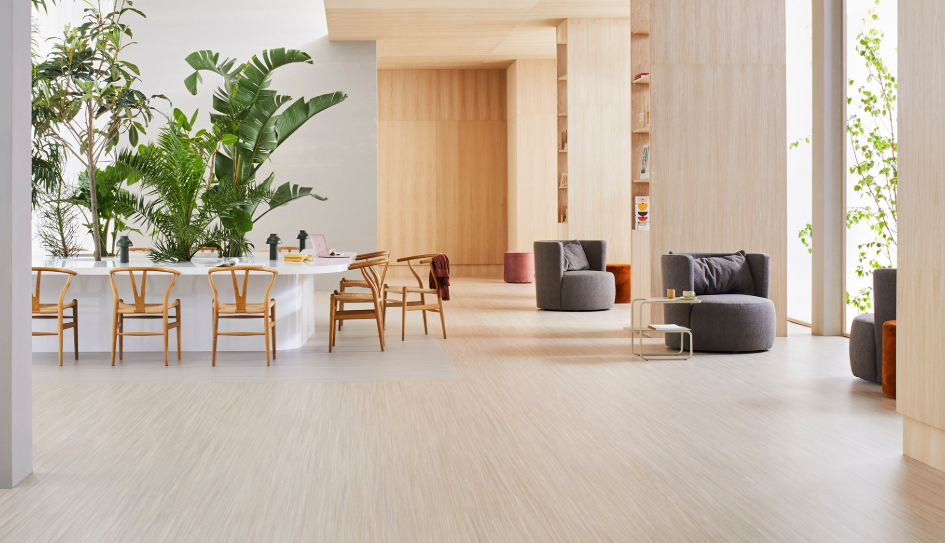

Interior design continues to evolve as homeowners explore new ways to create attractive, practical and comfortable living spaces. Flooring plays an important role in these developments because it influences the colour palette, furniture selection and overall appearance of a room.
Wood-inspired flooring remains popular in contemporary interiors. Its natural appearance can complement minimalist designs, traditional furniture and modern architectural styles.
The Appeal of Natural Wood Appearance
Natural wood has long been associated with warmth and elegance. However, maintaining traditional wooden floors may require additional care depending on the material, finish and environment.
Alternative flooring materials provide homeowners with different ways to achieve similar visual effects. Vinyl flooring can reproduce wood grain patterns, natural colour variations and textured finishes.
People researching Vinyl flooring dubai can explore different styles that imitate timber while offering alternative maintenance and installation characteristics.
Light-Coloured Flooring for Modern Spaces
Light-coloured flooring can help create a bright and open atmosphere. Shades such as pale oak, beige and light grey often work well with white walls, contemporary furniture and natural lighting.
These finishes may be particularly attractive in smaller apartments or rooms with limited natural light. They can also provide a neutral background for colourful furniture and decorative accessories.
Light flooring should still be selected carefully because dust, marks and certain types of dirt may be more visible depending on the colour and surface texture.
Dark Flooring for Sophisticated Interiors
Dark flooring can create a distinctive appearance in large rooms and carefully designed interiors. Deep brown, charcoal and darker wood-inspired finishes may complement modern furniture and contrasting wall colours.
However, darker flooring can sometimes make smaller rooms feel less spacious. Lighting, furniture placement and wall colour should be considered when selecting these designs.
The best flooring choice depends on the property’s architecture, available lighting and the owner’s preferred style.
How Vinyl Planks Influence Interior Design
Plank flooring offers a visual pattern that resembles individual timber boards. This format can help create a cohesive appearance across living rooms, hallways and bedrooms.
When considering Vinyl plank flooring, homeowners should compare different plank sizes and surface textures. Wider planks may suit contemporary layouts, while traditional wood patterns can complement classic interiors.
Installation direction can also influence how a room appears. Planks installed along the length of a room may emphasise its dimensions, while other layouts can create a more decorative effect.
Combining Flooring with Furniture and Accessories
Flooring should complement the furniture rather than compete with it. Neutral floor colours provide flexibility when choosing sofas, tables, curtains and rugs.
Natural wood-inspired flooring may work particularly well with green plants, soft fabrics and warm lighting. Grey finishes can complement modern furniture, metal accents and minimalist decorations.
Area rugs can add colour and texture while helping define different sections of an open-plan room.
Practical Considerations Before Installation
A flooring design may look attractive in photographs, but practical requirements should also be considered. Homeowners should examine samples, check product specifications and understand the installation process.
Subfloor preparation, room measurements and moisture conditions can influence the final result. Professional advice may help identify suitable products and installation methods.
Conclusion
Wood-look flooring continues to attract homeowners because it combines natural-inspired aesthetics with modern design flexibility. Vinyl planks offer a variety of colours and patterns that can complement different interior styles. By selecting appropriate shades, layouts and finishes, homeowners can create attractive spaces that reflect their personal preferences.