Newsletter Subscribe
Enter your email address below and subscribe to our newsletter
Enter your email address below and subscribe to our newsletter

 ByJohn A
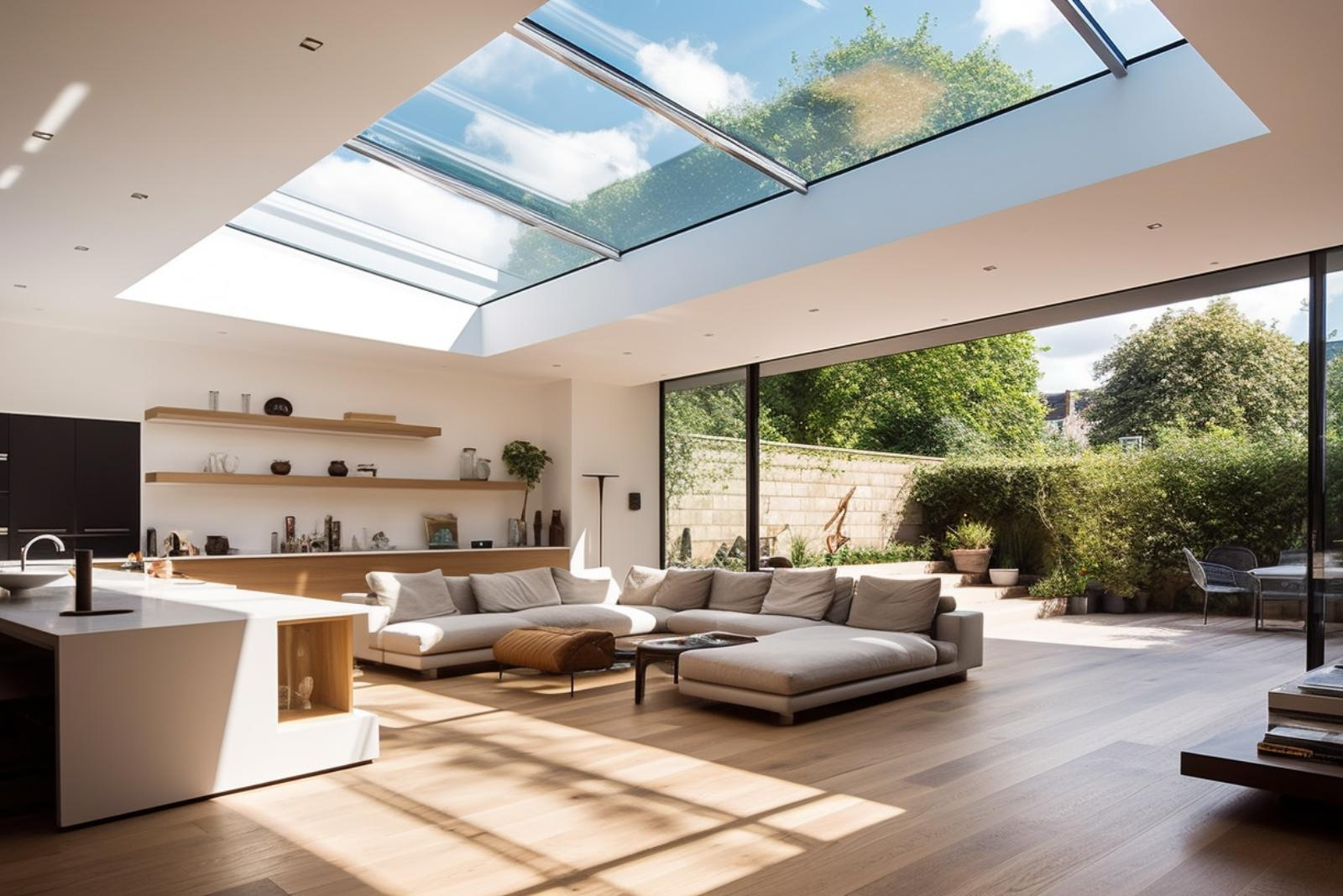
Rooflights can change the way a building uses natural light. By allowing daylight to enter from above, they can brighten rooms, workshops, extensions, offices, garages, and other spaces without relying entirely on artificial lighting during the day. The right product, however, depends on the roof structure, available space, glazing type, insulation requirements, and intended use.
For this reason, choosing suitable rooflight suppliers involves more than comparing prices. Buyers need to look at product specifications, dimensions, materials, installation requirements, and after-sales information before placing an order.
Rooflights are available in several designs to suit different roof structures and building types. Common options include flat rooflights, pitched rooflights, modular systems, fixed units, and opening rooflights.
Materials also vary. Polycarbonate and acrylic products are often selected for their light weight and practical durability, while glass rooflights may be preferred where appearance, clarity, or higher-end finishes are priorities.
The size of a rooflight matters just as much as its material. A product that is too large may not suit the available roof opening, while a smaller unit may provide less daylight than expected. Buyers should therefore check the manufacturer’s dimensions rather than relying only on product photographs or general descriptions.
Some rooflights are supplied as complete systems, while others may require additional kerbs, upstands, flashing, fixings, or other components. Checking exactly what is included can prevent unexpected costs during installation.
See also: 15 KVA Single Phase Transformer: Specifications, Applications, and Buying Considerations
Searching for rooflight deals can be useful, but the lowest advertised price does not necessarily represent the lowest overall cost. A cheaper product may have different glazing, fewer included components, shorter warranty coverage, or additional delivery charges.
Start by comparing products with similar specifications. Look at dimensions, glazing thickness, thermal performance, light transmission, frame construction, and warranty terms. These details make price comparisons more meaningful.
Energy performance is another consideration. A rooflight that admits plenty of daylight but performs poorly thermally may affect indoor temperatures and heating or cooling requirements. For buildings used throughout the year, thermal properties deserve particular attention.
Delivery should also be included in the comparison. Large or fragile rooflight products may have different delivery arrangements from smaller building materials. Check the expected delivery timeframe and whether the supplier provides suitable packaging for transportation.
The internet makes it easier to compare specifications from different manufacturers and retailers. Before you buy roof lights online, however, make sure you have accurate measurements and understand the requirements of your roof.
Measure the roof opening carefully and check whether the stated product dimensions refer to the overall external size, the frame size, or the required opening size. These measurements are not always interchangeable.
The roof construction also matters. A flat roof, for example, may require a different installation system from a pitched roof. Some products are designed for specific roof pitches or particular types of covering.
Product documentation can provide useful information about installation, glazing performance, wind resistance, thermal characteristics, and maintenance. Where technical information is missing, contacting the supplier before purchasing is preferable to making assumptions.
A flat rooflight buy should begin with the existing roof structure rather than the appearance of the product alone.
First, establish the required opening dimensions. If an existing rooflight is being replaced, measure the opening and surrounding structure before selecting a replacement. For a new installation, the required opening should be determined as part of the roof design.
Next, consider whether a fixed or opening model is appropriate. Fixed rooflights provide daylight without ventilation, while opening models can provide additional airflow where the design permits.
Glazing should also be considered carefully. Clear products provide strong daylight transmission, while diffused glazing can spread light more evenly and reduce harsh contrasts. Thermal performance, solar control, and impact resistance may also influence the choice depending on the building.
The upstand or kerb is another important component. Some rooflights are designed to fit existing kerbs, whereas others may require a new supporting structure. Confirming compatibility before ordering can make installation considerably simpler.
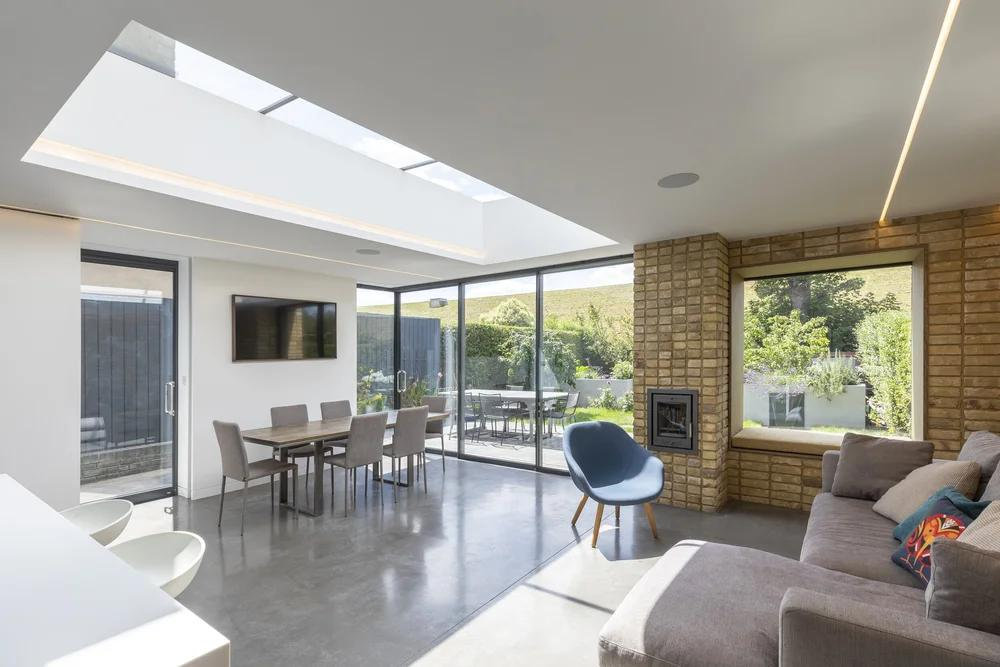
When you order rooflight online, review the complete product description before making payment. Product images are useful for understanding appearance, but they do not provide enough information about dimensions, construction, or compatibility.
Check the exact model number, measurements, glazing specification, frame material, and included accessories. If the product has multiple size or glazing options, make sure the selected specification is clearly shown in the order.
It is also sensible to review delivery and returns information. Some rooflight products are manufactured to specific dimensions and may have different return conditions from standard stock items.
Keep copies of the order confirmation and technical information. These records can be useful if you need to verify the specification with an installer or contact the supplier later.
Speaking directly with rooflight suppliers can help clarify technical details that may not be obvious from an online product listing.
Ask whether the rooflight is suitable for your roof construction and whether it requires a particular kerb, upstand, or flashing system. Confirm the recommended opening dimensions and ask whether installation instructions are supplied.
Warranty information is also worth checking. Find out what parts of the product are covered, how long the coverage lasts, and whether installation conditions affect the warranty.
For larger projects, buyers may also need information about delivery arrangements, product lead times, replacement components, and technical support. Having these details before purchase can reduce delays later.
Correct installation affects both performance and service life. The rooflight needs to be securely fitted and properly sealed according to the manufacturer’s instructions. Poor installation can result in water ingress, movement, damaged seals, or reduced thermal performance.
Maintenance requirements depend on the material and design. Most rooflights benefit from periodic cleaning to remove dirt, leaves, and other debris that can reduce daylight transmission.
During inspections, check for visible cracks, damaged seals, loose fixings, or signs of water penetration. Addressing minor issues early can help prevent more extensive roof problems.
The right rooflight depends on what the space needs to achieve. A home extension may prioritise appearance and daylight quality, while a workshop may place greater emphasis on durability and impact resistance. An office or commercial building may require closer attention to thermal performance and solar control.
Rather than selecting a product solely because it is inexpensive or visually appealing, compare its specifications with the requirements of the building. Accurate measurements, suitable glazing, compatible installation components, warranty coverage, and reliable product information all contribute to a more informed purchase.
A careful comparison of suppliers and products can make the ordering process easier and help ensure that the selected rooflight is appropriate for the roof, the building, and the way the space will be used.