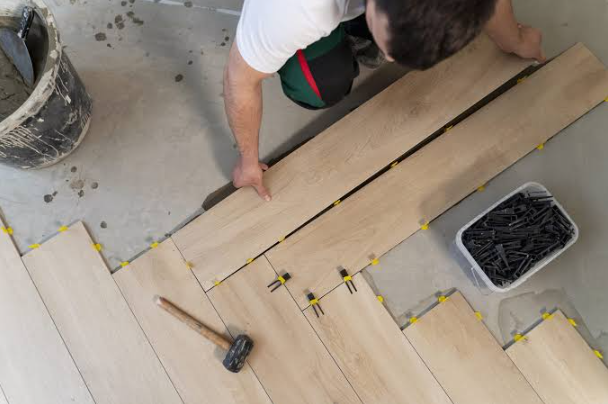

Renovating a home can improve its layout, functionality, and appearance, but construction work also produces dust and debris that can spread beyond the immediate work area. Drywall sanding, cutting wood, removing flooring, and installing cabinetry all generate particles that may settle on surfaces or enter the heating, ventilation, and air conditioning (HVAC) system.
Even when contractors cover furniture and clean the floors, dust can collect around return-air grilles, inside ductwork, and on HVAC components. Once the system operates, accumulated debris may be disturbed and transported through parts of the home.
For homeowners researching post construction air duct cleaning Boston services, the important question is whether renovation has contaminated the duct system and what steps are necessary before normal HVAC operation resumes.
The US Environmental Protection Agency (EPA) and the Department of Energy’s Building America Solution Center provide guidance on preventing construction debris from entering ducts and cleaning affected systems. Their recommendations emphasize protecting duct openings during dusty work, inspecting the system afterward, and addressing contamination when it is present.
This guide explains how renovation dust enters HVAC systems, which warning signs deserve attention, how professional cleaning works, and what Boston homeowners can do to protect their ductwork during future projects.
Why Construction Dust Can Enter Your HVAC System
Construction generates different types of particles depending on the work being performed. Drywall sanding creates fine gypsum-based dust, while cutting wood produces sawdust and other particulate matter. Demolition may release insulation fibers, fragments of building materials, and debris from old finishes.
These materials can travel through the air and settle in areas far from the renovation site. If supply or return registers are uncovered, particles may enter the duct system. Dust can also reach HVAC equipment through open duct connections, gaps, or other unprotected components.
The EPA’s Indoor airPLUS technical bulletin on duct protection during construction specifically identifies sawing, sanding, and drywall installation as activities that can generate particles capable of entering HVAC equipment and ductwork.
Several conditions can increase the likelihood of contamination:
- Uncovered duct openings: Dust can fall directly into open floor registers, wall openings, or exposed duct connections.
- Operating the HVAC system during dusty work: Air movement can draw airborne particles toward return openings and equipment.
- Poor construction housekeeping: Dry sweeping and inadequate debris collection can keep dust suspended in the air.
- Unprotected HVAC equipment: Dust may accumulate on filters, fans, coils, and other internal components.
- Extended renovation projects: Repeated demolition, sanding, and finishing work can expose the system to contamination over several weeks.
Not every renovation results in dirty ductwork. Replacing a bathroom faucet, for example, presents a different risk from removing walls or sanding drywall throughout several rooms. The appropriate response depends on the work performed and the condition of the HVAC system.
See also: Commission Management for Insurance: Agent Hierarchies, Tiered Commissions, and Clawbacks
Signs Your Ductwork May Need Post-Construction Cleaning
A renovation can leave behind visible dust without necessarily contaminating the entire duct system. Before scheduling a service, look for evidence that construction material has entered the HVAC equipment or air distribution network.
1. Dust Continues to Appear Around Supply Registers
If fine construction dust repeatedly appears around supply vents after the renovation cleanup, inspect the affected areas.
Visible particles coming from a register may indicate debris in the ductwork or another issue involving the HVAC system. However, dust on the exterior of a grille can also come from normal household activity, so it should not automatically be treated as proof of contamination.
An inspection of the accessible duct interior can help establish whether professional cleaning is appropriate.
2. The HVAC Filter Contains Heavy Construction Dust
A filter that becomes heavily loaded during renovation may indicate that airborne particles have been entering the system.
Check the filter according to the equipment manufacturer’s instructions. If it is clogged or visibly loaded with construction debris, replace it as appropriate and inspect the system for other signs of contamination.
A filter captures only some of the particles moving through the equipment. It does not establish whether the downstream ductwork, blower, or other components are clean.
3. Visible Debris Is Present Inside the Ducts
Sawdust, drywall particles, scraps of material, and other construction debris inside accessible ductwork provide a stronger reason to consider professional cleaning.
The EPA recommends cleaning when ducts are clogged with substantial deposits of dust and debris or when particles are being released into the home through supply registers.
A technician should document the observed condition and explain which components require attention.
4. Airflow Has Changed After Renovation
If a room receives noticeably less airflow after construction, investigate the cause rather than assuming dirty ducts are responsible.
Construction dust may obstruct a component in some circumstances, but airflow problems can also result from closed dampers, blocked registers, disconnected ducts, changes made during remodeling, or mechanical faults.
An HVAC assessment can distinguish contamination from these other causes and help determine whether cleaning or repair is required.
5. Persistent Odors Develop After the Work
Renovation may introduce odors from paints, adhesives, sealants, flooring products, and other building materials. Dust or debris in HVAC components can also contribute to unwanted odors under certain conditions.
Cleaning ducts will not necessarily resolve odors caused by materials that continue releasing volatile organic compounds or by inadequate ventilation.
If an odor persists, identify its source before selecting a corrective service. Moisture problems and suspected microbial growth also require appropriate investigation rather than simply masking the smell.
How Professional Post-Construction Air Duct Cleaning Works
Professional cleaning is designed to remove accumulated material from affected HVAC components while controlling the release of particles into occupied spaces.
A thorough service begins with an assessment. The technician should determine which parts of the system have been exposed to construction dust, whether the duct materials can be cleaned safely, and whether any damaged components require separate attention.
A typical process includes the following steps.
Step 1: Inspect the Ductwork and HVAC Equipment
The technician examines accessible supply and return ducts, registers, air-handling components, and filters for visible debris or other signs of contamination.
The assessment should consider the renovation activities, the condition of the duct system, and whether any materials require specialist handling.
Older homes deserve particular care if renovation exposes deteriorated insulation or materials that may contain asbestos. Suspected asbestos-containing materials should not be disturbed during ordinary duct cleaning. A qualified specialist should assess them before work proceeds.
Step 2: Protect the Home and Establish Containment
Before cleaning begins, appropriate measures should be taken to protect floors, furnishings, and occupied areas.
Professional source-removal methods commonly use vacuum collection equipment to create negative pressure within the portion of the HVAC system being cleaned. This helps capture dislodged particles instead of allowing them to escape into rooms.
The equipment and containment arrangements should be suitable for the size of the system and the type of contamination.
Step 3: Remove Dust and Debris From the Ducts
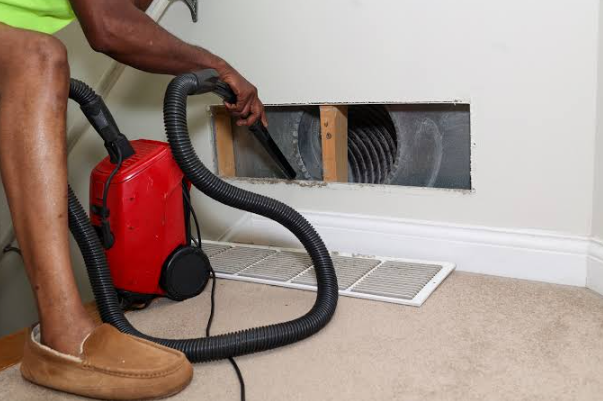
Technicians use appropriate agitation tools and vacuum collection to dislodge and capture accumulated material.
The cleaning method must suit the duct construction. Flexible ducts and internally insulated systems require careful handling to avoid damaging their surfaces. A contractor should not use aggressive tools that could tear flexible material or release insulation fibers.
The objective is to remove the identified contamination without damaging the HVAC system.
Step 4: Inspect Other Affected Components
Construction dust may accumulate in more than the ductwork. Depending on the inspection findings and the agreed scope, the service may need to address registers, grilles, air-handling equipment, or other contaminated components.
Coils, fans, and condensate areas may require separate cleaning or HVAC maintenance. Homeowners should confirm whether these components are included rather than assuming every service covers the entire system.
Step 5: Replace Filters and Verify the Results
After cleaning, the system should be checked before returning to normal operation.
The technician should inspect the accessible cleaned surfaces and explain any remaining concerns. Photographs can help document the condition before and after service.
A suitable filter should be installed, following the equipment manufacturer’s recommendations. The filter may need to be replaced sooner than usual if it becomes loaded with remaining construction particles during initial operation.
What Should Be Cleaned After a Renovation?
The scope of work depends on where the dust has accumulated. The following table helps distinguish common renovation-related problems from the appropriate response.
| Area or component | Possible construction-related issue | Appropriate action |
| Supply and return ductwork | Drywall dust, sawdust, or other accumulated debris | Inspect and clean when contamination is confirmed |
| Registers and grilles | Dust deposited on surfaces or inside openings | Remove and clean accessible components as appropriate |
| HVAC filter | Heavy loading from airborne construction particles | Replace according to manufacturer guidance and operating conditions |
| Air handler or blower compartment | Dust deposits on internal surfaces or components | Inspect and arrange suitable cleaning if needed |
| Cooling coil and condensate area | Deposits or debris affecting maintenance and drainage | Inspect and clean using methods appropriate to the component |
| Flexible ductwork | Dust trapped along the grooved interior surface | Use suitable tools and inspect for damage before cleaning |
| Damaged or contaminated insulation | Moisture damage, deterioration, or suspected hazardous materials | Obtain specialist assessment and replace or remediate where necessary |
| Duct connections and access openings | Gaps, disconnections, or damage from construction work | Repair and seal appropriately before normal operation |
The table is a practical guide, not a guarantee that every component needs cleaning after every renovation. The inspection findings should determine the actual scope.
When Should Air Duct Cleaning Be Scheduled After Construction?
The best time to inspect and, where necessary, clean the HVAC system is after dusty construction work has finished and before the system returns to normal operation, particularly when the ducts were exposed or contamination is visible.
The Department of Energy’s Building America Solution Center recommends cleaning affected ductwork after construction, replacing the filter, and ensuring the system is clean before occupancy in the context of new construction. Similar precautions can apply to substantial renovations of existing homes.
A sensible sequence is:
- Complete sanding, cutting, demolition, and other dust-generating activities.
- Remove construction waste and perform a thorough cleanup of the work areas.
- Inspect registers, filters, accessible ductwork, and relevant HVAC components.
- Arrange professional cleaning if significant debris or contamination is found.
- Replace the filter and verify that the system is ready for normal operation.
There is no universal requirement to clean every duct system after every home improvement project. A small cosmetic update with well-protected duct openings may not warrant a full cleaning. Major renovations involving demolition, drywall work, flooring replacement, or exposed ductwork deserve a more careful assessment.
How Boston Homeowners Can Prevent Construction Dust From Entering Ducts
Preventing contamination is usually easier than removing accumulated debris afterward. Homeowners planning renovations can discuss duct protection with their general contractor and HVAC professional before work begins.
Cover Supply and Return Openings
During dust-generating activities, protect affected supply and return openings with suitable temporary covers. These covers should be secured safely and removed when appropriate. Floor openings must be protected against tripping hazards.
The protection plan should account for all relevant openings, not just the vents in the room being renovated.
Avoid Running the HVAC System During Dusty Work
Where feasible and safe, avoid operating the central HVAC system during activities such as drywall sanding and sawing that generate large amounts of airborne dust.
Discuss temporary heating, cooling, and ventilation arrangements with the contractor. Do not compromise required ventilation or occupant safety merely to keep the HVAC equipment off.
Keep the Work Area Clean
Use suitable dust collection, containment, and vacuuming procedures throughout the project. Cleaning only at the end allows more material to spread throughout the home.
Protect Equipment and Replace Filters
HVAC equipment should be protected from construction dust, and filter condition should be monitored during and after the work. Follow manufacturer guidance when selecting and replacing filters.
A higher-rated filter is not automatically suitable for every system. Confirm compatibility with the HVAC equipment before making changes.
Include HVAC Inspection in the Renovation Checklist
Ask the contractor to include duct protection and HVAC cleanup in the project’s completion plan. If ducts were exposed to dust or construction debris, arrange an inspection before the system returns to normal use.
These measures are especially useful during larger projects where several trades may be working in the property over an extended period.
How to Choose a Post-Construction Duct Cleaning Company in Boston
Not every cleaning provider has the same equipment, experience, or approach to construction-related contamination.
Before hiring a contractor, ask for a written estimate that identifies the areas to be cleaned, the cleaning method, and any exclusions. The provider should explain its containment procedures and how the completed work will be checked.
Consider these questions:
- Does the company inspect the system before recommending cleaning?
- Can the technician explain what construction debris was found?
- Does the quoted service include the affected ductwork and relevant components?
- Are the cleaning methods suitable for the existing duct materials?
- Will the contractor use appropriate dust collection and containment?
- Are repairs, filter replacements, and additional treatments priced separately?
- Will the company provide photographs or other documentation of the results?
The National Air Duct Cleaners Association (NADCA) publishes standards for HVAC system assessment, cleaning, and restoration. Its guidance identifies contamination from construction debris as a condition that can justify cleaning.
Avoid contractors who guarantee that cleaning will cure allergies, eliminate every indoor pollutant, or produce a specific reduction in energy costs. The EPA notes that research does not establish these outcomes for duct cleaning alone.
A clear inspection report and a defined scope of work are better indicators of a well-planned service than broad marketing promises.
Frequently Asked Questions
Is post-construction air duct cleaning necessary after every renovation?
No. The need depends on the extent of the work, whether duct openings were protected, and whether debris entered the system. Major demolition, drywall sanding, and other dusty activities justify careful inspection. Cleaning should follow when contamination is identified.
Can construction dust damage an HVAC system?
Heavy dust or debris can obstruct airflow passages or accumulate on system components. The actual effect depends on the amount and location of contamination. Inspection helps determine whether cleaning or repairs are needed.
Should I replace my HVAC filter after construction?
Check the filter after dusty work and replace it if it is heavily loaded or due for replacement under the manufacturer’s instructions. Construction dust can load filters more quickly than normal operation would.
Can I clean construction dust from ducts myself?
Homeowners can clean accessible registers and surrounding surfaces, but reaching deeper duct sections and HVAC components safely requires suitable equipment and methods. Avoid inserting household tools into ductwork where they could damage the material or push debris farther inside.
Does duct cleaning remove renovation odors?
It may help when debris inside the HVAC system contributes to an odor. However, smells from paint, adhesives, flooring products, moisture, or other ongoing sources require separate investigation. Cleaning ducts alone will not resolve every odor problem.
When can I restart my HVAC system after renovation?
Follow the advice of your contractor or qualified HVAC professional. Dust-generating work should be complete, construction debris should be removed, and exposed or contaminated ductwork and equipment should be inspected and cleaned where necessary. Confirm that suitable filters are installed before returning the system to normal use.
Restore Your Home’s HVAC Cleanliness With Mass Green Air Duct Cleaning
Finishing a renovation is an important milestone, but the cleanup should extend beyond visible floors and countertops. Construction dust can enter ductwork and HVAC components, particularly when openings are left exposed during demolition, sanding, or drywall installation.
For homeowners researching post construction air duct cleaning Boston services, Mass Green Air Duct Cleaning is a local service provider to consider when discussing the condition of your home’s ductwork after renovation.
Before arranging service, explain the type of work performed, whether the HVAC system operated during construction, and whether dust or debris has appeared around the vents. Ask for an inspection, a clear written estimate, and an explanation of which components require cleaning.
Visit Mass Green Air Duct Cleaning to learn more about the company’s services and inquire about your property’s needs.
A careful post-renovation inspection helps homeowners make informed decisions about cleaning, filter replacement, and any necessary repairs. By addressing confirmed contamination and protecting duct openings during future projects, you can help keep your HVAC system properly maintained as you settle into your renovated home.