
There is something quietly freeing about picking up a brush when you cannot quite see the result. Most of us learned to paint, or at least to try, under bright lights, with every line and colour choice on full display. That visibility can be a comfort, but it can also be a source of pressure. When the room goes dark and the canvas begins to glow, the usual rules soften. You stop worrying about whether your work looks correct and start paying attention to how it feels to make it.
What Painting in the Dark Actually Involves
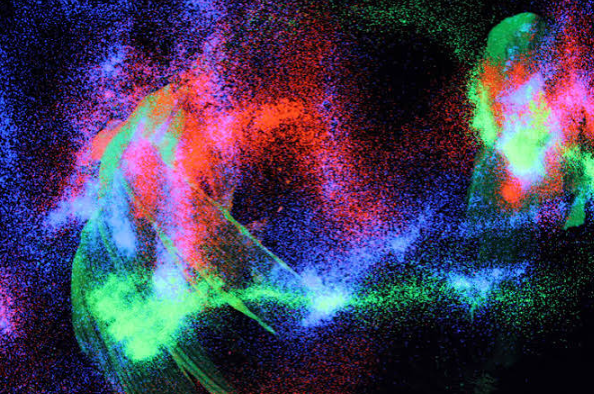
A typical session takes place in a dimly lit studio. The lights are lowered, and ultraviolet or black lighting is used to make special fluorescent paints glow. Your canvas, your brushes, and sometimes even your apron will shine under this light, while the rest of the room fades into shadow. The effect is closer to a relaxed evening activity than to a formal lesson.
Most sessions begin with a short introduction. A facilitator explains how the paints behave, how to mix colours that will glow, and how to use the brushes provided. There is usually a theme or a suggested subject, such as a landscape, a city skyline, or an abstract pattern, but you are generally free to follow your own idea. The point is not to copy a reference image perfectly. It is to experiment with colour and shape in an environment where mistakes are hard to see and easy to enjoy.
One of the pleasant surprises for first-time participants is how the darkness changes the way they paint. Without a clear view of every detail, people tend to make bolder strokes and try colour combinations they would normally avoid. A bright pink sky or a green moon suddenly seems reasonable. This freedom is a large part of why the activity works so well for beginners and for people who describe themselves as not artistic.
How a Session Usually Works
Although every studio runs its sessions slightly differently, paint in the dark sessions follow a similar flow. You arrive, settle in, and receive your materials: a canvas, a set of brushes, a palette, and fluorescent paints. The facilitator gives a brief demonstration, then the lights go down and the painting begins. Music often plays softly in the background, and the atmosphere is informal.
If you are curious to try it, it helps to know what to expect before you book. Sessions usually last long enough for you to complete one canvas at a comfortable pace, without feeling rushed. You can take breaks, step back from your work, and look at it under the glowing light before deciding what to add next. At the end, you take your canvas home as a reminder of the evening.
What the Paints Do
Fluorescent paints behave differently from ordinary paints. Under normal light, they may look pale or ordinary. Under ultraviolet light, they glow brightly, and colours that seem similar in daylight can look very different in the dark. This is why facilitators often suggest testing a small amount of paint on the edge of the canvas before committing to a large area. Mixing colours also works differently, so a little experimentation goes a long way.
It is worth remembering that the finished painting will look different again when you bring it home and view it in normal light. The glowing effect depends on ultraviolet lighting, so your canvas will appear calmer and more ordinary in daylight. Many people enjoy this contrast. The painting becomes two pictures in one: a bright, glowing piece in the dark, and a softer version in the light.
Practical Tips for a Good First Visit
A little preparation can make your first session more enjoyable. Wear clothes you do not mind getting paint on, even if an apron is provided. Fluorescent paint can be hard to remove from fabric, so comfortable, washable clothing is a sensible choice. Tie back long hair if you tend to lean close to the canvas, and leave anything you do not want marked, such as a good jacket or a light-coloured bag, at home or in a locker if one is available.
Arrive on time so you do not miss the introduction, which explains how the paints and lighting work. If you have an idea in mind, such as a simple scene or a pattern, bring it with you or keep it in mind, but do not feel tied to it. Some of the best results come from people who abandon their plan halfway through and follow whatever the colours suggest. Take your time, step back often, and remember that the glowing effect will make even simple shapes look vivid.
Frequently Asked Questions
1. Do I need any painting experience to take part?
No experience is needed. Sessions are designed for complete beginners, and the facilitator explains everything at the start. The dark setting actually helps, because it removes the pressure of being watched and makes it easier to enjoy the process without worrying about technique.
2. Will my painting still glow when I take it home?
The glowing effect depends on ultraviolet light, so your painting will look brightest under that kind of lighting. In ordinary daylight or normal indoor lighting, the colours will appear softer and more muted. It will still be a finished painting you can display, just without the same glow.
3. Is painting in the dark suitable for a group celebration?
Yes, it works well for small celebrations and group outings because everyone works on their own canvas at the same time. It gives the group a shared activity without requiring anyone to perform in front of others, and everyone leaves with something they made themselves.
Conclusion
Painting in the dark is a reminder that creativity does not have to be serious or precise to be rewarding. By removing the bright lights and the pressure to produce something perfect, it gives people permission to play with colour and to enjoy the simple act of making something. Whether you go with friends, family, or colleagues, the experience is less about the finished canvas and more about the hour or two spent in a glowing, unhurried room. If you have ever wanted to try painting but felt held back by self-doubt, this is a gentle place to start. Bring an open mind, wear something washable, and let the colours do the rest.