Newsletter Subscribe
Enter your email address below and subscribe to our newsletter

 ByJohn A
A well-designed bathroom needs to balance comfort, function, and visual appeal. Bathroom shower enclosures can help create a defined bathing area while keeping water away from the rest of the room. From compact bathrooms to spacious master suites, glass enclosures are available in different shapes, opening styles, and finishes. Luxurious Glass offers options that can suit a range of bathroom layouts and interior preferences.
A shower enclosure separates the wet area from the vanity, toilet, and other bathroom fixtures. This simple division can make the room easier to use and maintain. It also reduces the amount of water that reaches the surrounding floor, which can help keep the space cleaner and drier.
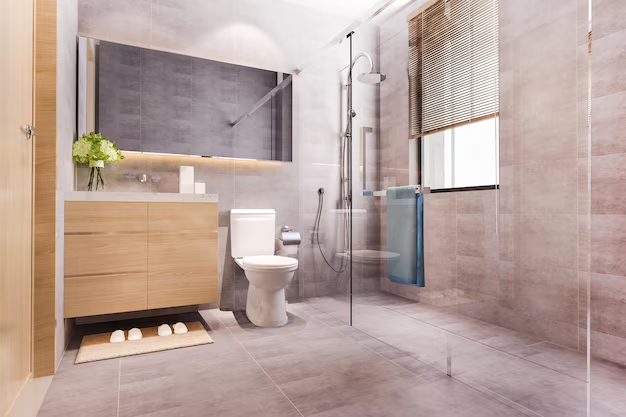
Glass creates an open appearance without requiring a solid wall. Clear panels allow light to pass through the shower area, helping smaller bathrooms feel less confined. The result is a defined shower space that still maintains visual openness.
The enclosure can also become part of the bathroom’s overall design. Hardware finishes, glass textures, door styles, and frame profiles can be selected to complement faucets, cabinet handles, lighting, and other fixtures.
Framed enclosures use metal framing around some or all of the glass panels. The frame provides structural support and can give the shower a more traditional appearance.
This style works well in bathrooms where a stronger visual outline is desired. It can also accommodate various configurations and glass thicknesses depending on the design and installation requirements.
Frame finishes commonly include options such as chrome, brushed nickel, matte black, and other metal tones. Matching the enclosure hardware with existing bathroom fixtures can create a consistent appearance throughout the room.
Frameless designs use thicker tempered glass with minimal hardware. Instead of extensive metal framing, hinges, brackets, and clips hold the panels in place.
The reduced framing gives the bathroom a clean and open appearance. Clear glass can make decorative tilework more visible because there are fewer visual interruptions between the shower and the rest of the room.
Frameless enclosures are particularly suitable for contemporary bathrooms. They can also work with traditional interiors when paired with suitable hardware and tile choices.
Semi-frameless enclosures sit between fully framed and frameless designs. Some sections use framing while other edges remain relatively open.
This arrangement provides a defined structure without covering the entire perimeter with metal. It offers flexibility for bathrooms where a completely frameless configuration may not suit the layout or installation requirements.
Semi-frameless designs are available in several configurations, making them useful for both remodeling projects and new bathroom construction.
Sliding doors move along a track instead of swinging into the bathroom. This makes them useful in bathrooms where floor space is limited or where another fixture sits close to the shower entrance.
A sliding enclosure can be installed in straight or corner configurations, depending on the available space. The door mechanism should be selected according to the enclosure size, glass weight, and hardware requirements.
For compact bathrooms, sliding doors can provide a practical way to create a dedicated shower area without requiring additional clearance for a swinging door.
Hinged doors open in one direction, while pivot doors rotate around a mechanism positioned at or near the edge of the door. Both styles can provide a wider entry than some sliding configurations.
These doors work particularly well in bathrooms with sufficient clearance around the shower entrance. A hinged glass door can also create a simple, uncluttered appearance when paired with minimal hardware.
The direction and range of door movement should be planned carefully during installation. Fixtures, walls, and other bathroom elements need enough clearance for safe operation.
Corner enclosures are designed to fit into the intersection of two bathroom walls. They are often used to make practical use of space that might otherwise remain underutilized.
Square and rectangular configurations are common, while angled or curved options can provide different visual effects. Corner enclosures are especially useful in smaller bathrooms because they establish a dedicated shower zone without occupying the center of the room.
The enclosure size should still provide enough interior space for comfortable movement. Accurate measurements are essential before selecting the final configuration.
Curved shower enclosures use rounded glass panels to create a softer profile. They can reduce sharp visual lines and give the bathroom a distinctive appearance.
Neo-angle enclosures use angled panels, typically creating a five-sided configuration. This shape can fit into a corner while projecting slightly into the bathroom.
Both options can help homeowners work around unusual room dimensions. They also offer alternatives to the standard square or rectangular shower layout.
Glass shower enclosures offer several practical advantages beyond their appearance.
Better water containment: A properly installed enclosure helps keep shower water within the designated wet area.
More natural light: Clear glass allows light to travel through the bathroom rather than blocking it with an opaque partition.
A more open appearance: Glass can make the boundaries between different bathroom areas feel less restrictive.
Design flexibility: Different glass types, door configurations, hardware finishes, and layouts allow the enclosure to complement many interior styles.
Easy routine cleaning: Smooth glass surfaces can generally be wiped down more easily than heavily textured shower curtains or fabric barriers.
Long-term visual appeal: Quality glass and suitable hardware can maintain a polished appearance with regular care.
The glass itself can change both the appearance and privacy level of a shower enclosure. Clear glass provides maximum visibility and works particularly well where the goal is to emphasize tilework or create an open feel.
Frosted or privacy glass reduces visibility while allowing some light through. Patterned and textured glass can add visual interest and create a decorative element within the shower area.
The appropriate glass thickness and safety specifications should be determined according to the enclosure design and applicable building requirements. Tempered safety glass is commonly used for shower enclosures because it is designed for this type of application.
Small hardware details can influence the overall appearance of the bathroom. Hinges, handles, brackets, channels, and other components are available in several finishes.
Chrome offers a bright, reflective look, while brushed finishes provide a softer appearance. Matte black hardware can create stronger contrast against light-colored tile, and brass-toned finishes can complement warmer interiors.
Consistency helps the design feel intentional. Matching the shower hardware with faucets, cabinet pulls, towel bars, and other visible fixtures can tie different parts of the room together.
A minimalist bathroom may benefit from clear frameless glass, simple hardware, and large-format tiles. The limited visual interruption keeps attention on the architecture and tile pattern.
For a traditional bathroom, framed glass paired with classic metal finishes can complement decorative tile, wood cabinetry, and traditional fixtures.
Industrial-inspired spaces can use dark hardware, textured surfaces, and simple glass panels. A larger bathroom may also accommodate a walk-in enclosure with a fixed panel and open entry.
Smaller bathrooms can benefit from corner configurations, sliding doors, or neo-angle designs. These arrangements preserve usable floor space while giving the shower its own defined area.
Measurements should be taken before choosing the enclosure configuration. Wall positions, ceiling height, showerhead placement, floor slope, plumbing fixtures, and door clearance can all affect the final design.
The shower floor should also be considered. A properly prepared base helps direct water toward the drain, while suitable seals and installation methods help control water around the enclosure edges.
Professional installation can be particularly useful for custom glass work because panels need accurate measurements and proper alignment. The enclosure should be installed according to the manufacturer’s specifications and applicable safety requirements.
Regular maintenance can help preserve the appearance of shower glass. After bathing, wiping excess water from the panels can reduce mineral deposits and soap buildup.
Routine cleaning with products suitable for the specific glass and hardware is also helpful. Harsh chemicals or abrasive materials may damage certain finishes, so manufacturer recommendations should be followed.
Door tracks, hinges, seals, and corners deserve occasional attention because residue can accumulate in these areas. A simple cleaning routine is usually easier than dealing with heavy buildup later.
The right enclosure depends on more than personal style. Available floor area, bathroom layout, privacy needs, door clearance, glass selection, hardware, and maintenance requirements all influence the final choice.
A carefully planned enclosure can give the shower a clear identity while keeping the rest of the bathroom visually connected. Clear glass, thoughtful hardware, and a suitable configuration can also help the space feel more comfortable without requiring major structural changes.
For homeowners planning a bathroom update, reviewing enclosure styles, measuring the available space, and discussing installation requirements can make the selection process more straightforward. Luxurious Glass can be contacted to discuss available options and project requirements. For assistance with planning your enclosure, contact us today and discuss the design details with the team before moving forward.