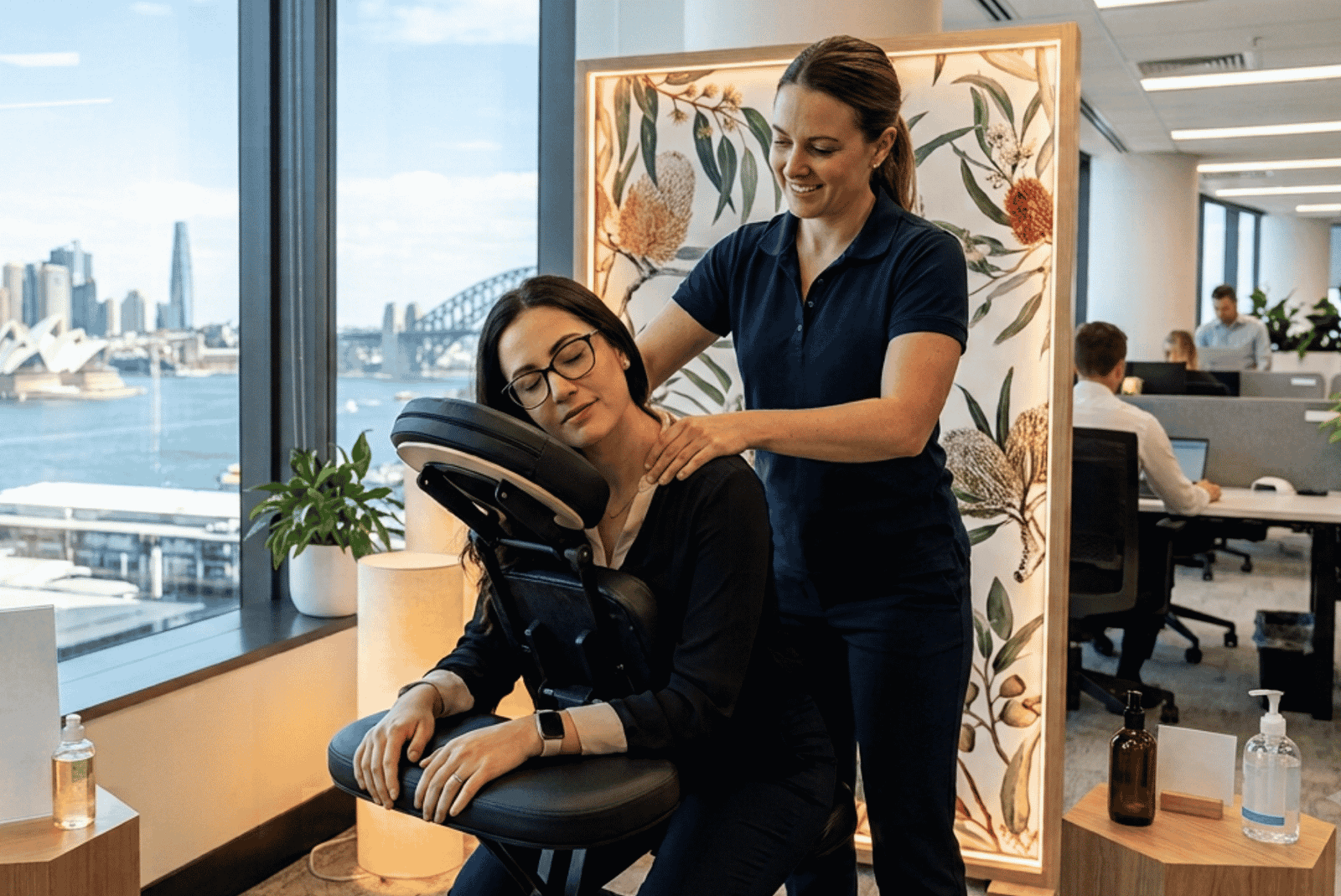

Modern city life can place considerable demands on the body and mind. Long working hours, extended screen time, commuting and everyday responsibilities may contribute to muscle tension, fatigue and difficulty relaxing. Taking time for physical recovery is therefore an important part of maintaining a balanced lifestyle.
Massage therapy is one approach people use to support relaxation and ease muscular discomfort. It involves hands-on techniques applied to soft tissues, with different methods designed to address different needs. Some people prefer a gentle treatment that encourages relaxation, while others look for focused attention on areas affected by stiffness or repetitive strain.
Why Massage Therapy Matters
Muscles work continuously throughout the day. Sitting at a desk, carrying bags, exercising or maintaining the same posture for long periods can place repeated demands on particular muscle groups. Over time, this may lead to tightness and discomfort.
Massage provides an opportunity to give these areas focused attention. Depending on the technique, a session may involve gentle strokes, kneading, pressure or rhythmic movements. These methods can help people feel more relaxed and aware of areas where they hold tension.
Massage should not be viewed as a replacement for medical assessment or treatment. Persistent, severe or unexplained pain should be discussed with a qualified healthcare professional.
Choosing a Suitable Massage Approach
Different massage styles offer different experiences. A relaxation-focused treatment generally uses comfortable pressure and flowing movements. It may suit someone who wants to unwind after a demanding week.
A deeper approach may concentrate on specific areas of muscular tightness. However, stronger pressure is not automatically better. The right intensity depends on personal comfort, health considerations and the therapist’s professional judgement.
Before choosing a treatment, consider:
- Whether the main goal is relaxation or attention to a particular area
- Your comfort with light, moderate or firm pressure
- Any injuries, health conditions or areas of sensitivity
- The amount of time available for the session
- Whether the therapist explains the treatment clearly
A good practitioner should welcome questions and adapt the session where appropriate.
The Importance of Communication
Communication is an essential part of a positive massage experience. Before treatment begins, clients should be able to explain their preferences, concerns and any relevant health information. This allows the therapist to consider whether the planned approach is suitable.
During the session, clients should speak up if the pressure feels uncomfortable or if they want an adjustment. Massage should not require someone to tolerate unnecessary pain. Professional boundaries, privacy and clear explanations also contribute to a comfortable environment.
People with certain medical conditions, recent injuries, skin problems or other health concerns may need medical advice before receiving massage. Pregnancy and recent surgery can also affect which techniques are appropriate.
Making Relaxation Part of a Routine
Relaxation is often treated as something to fit in only when time allows. However, regularly setting aside time to rest can support a more sustainable routine. Massage may be one option alongside other habits such as gentle movement, adequate sleep, stretching and taking breaks from screens.
The frequency of massage depends on individual needs, preferences and budget. Some people choose occasional sessions, while others include them as part of a broader wellness routine. There is no universal schedule that suits everyone.
Finding a Convenient Treatment in Central Hong Kong
Location can influence whether people make time for personal care. A conveniently located spa may be easier to visit between work commitments or during a day in the city. When comparing providers, consider the treatment menu, practitioner experience, hygiene standards, session duration and booking arrangements.
People exploring massage hong kong central can review the available treatment information and decide whether the options match their preferences. Reading service descriptions before booking helps set realistic expectations and makes it easier to ask relevant questions.
What to Consider Before Booking
A little preparation can make a session more comfortable. Arrive with enough time to discuss your needs, avoid concealing relevant health information and ask about the expected pressure and treatment process.
It is also useful to check cancellation policies, prices and session lengths in advance. A professional provider should make these details understandable before a booking is confirmed.
FAQs
1. Can massage help with everyday muscle tension?
Massage may help some people feel more relaxed and ease temporary muscular tightness. Results vary, and ongoing or severe pain should be assessed by a healthcare professional.
2. How often should someone book a massage?
There is no fixed frequency. It depends on personal preference, comfort, health considerations and budget. A practitioner can discuss suitable options without promising specific medical outcomes.
3. What should I tell a therapist before a session?
Mention relevant injuries, health conditions, allergies, areas of sensitivity and your preferred pressure. This information helps the therapist consider an appropriate treatment approach.
Conclusion
Massage therapy can provide a dedicated opportunity to relax, pay attention to muscular comfort and take a break from demanding routines. Choosing a suitable treatment involves considering personal needs, communicating clearly and selecting a professional provider. With realistic expectations and appropriate health precautions, massage can form one part of a balanced approach to everyday wellbeing.