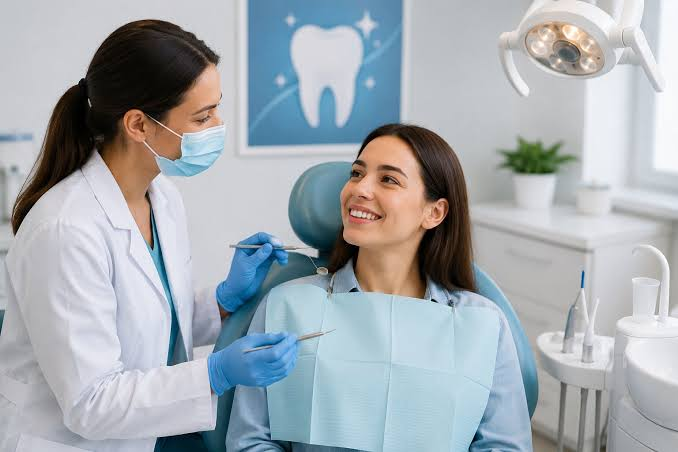

Oral health plays an essential role in overall well-being, daily comfort, and personal confidence. Healthy teeth and gums make it easier to eat, speak, and smile without hesitation. With advances in dental technology, patients now have access to a wide range of treatments designed to prevent oral health problems, restore damaged teeth, and improve the appearance of their smiles. Modern dentistry combines preventive care, advanced diagnostic tools, restorative procedures, and cosmetic treatments to help people maintain healthier mouths and enjoy a better quality of life.
Whether someone needs a routine dental examination, treatment for tooth decay, or a smile enhancement procedure, professional dental care offers solutions for different needs and age groups. Understanding these options can help individuals make informed decisions about their oral health.
Understanding the Importance of Dental Care
Dental care involves more than brushing and flossing. It includes regular examinations, professional cleaning, early diagnosis, and appropriate treatment for conditions affecting the teeth, gums, and other oral tissues. Neglecting these responsibilities may lead to problems such as cavities, gum disease, persistent bad breath, and tooth loss.
Routine dental visits allow professionals to identify potential concerns before they become more complicated. For example, early tooth decay may be treated with a relatively simple filling, while untreated decay can eventually require more extensive procedures. Similarly, identifying gum inflammation early can help prevent more serious periodontal problems.
Good oral health habits also support general wellness. Although oral conditions do not always cause noticeable symptoms in their early stages, regular dental assessments help patients understand their individual needs and maintain a consistent care routine.
Modern Dental Technology and Its Benefits
Technology has significantly changed how dental professionals examine, diagnose, and treat oral health conditions. Modern equipment can improve precision, patient comfort, and treatment planning.
Digital Dental Imaging
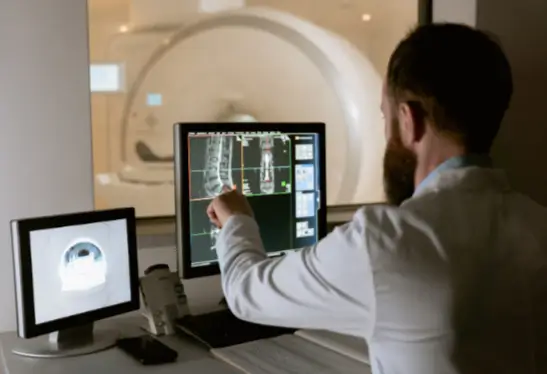
Digital X-rays allow dentists to examine areas that cannot be easily seen during a visual inspection. These images can help identify cavities between teeth, problems near tooth roots, bone changes, and other concerns. Depending on the clinical situation, advanced three-dimensional imaging may also support the planning of certain complex procedures.
Digital imaging systems can provide detailed information while allowing dental professionals to manage radiation exposure appropriately.
Intraoral Scanners
Intraoral scanners create digital impressions of teeth and surrounding structures. These scans can be useful when planning crowns, bridges, clear aligners, and other dental appliances. Compared with traditional impression materials, digital scanning may provide a more comfortable experience for many patients.
Digital records can also help dental teams explain treatment options and monitor changes over time.
Modern Treatment Planning
Computer-assisted planning helps dentists evaluate different approaches before beginning selected procedures. This technology can be particularly useful in implant dentistry, orthodontics, and restorative treatments. However, technology supports professional judgment rather than replacing the need for clinical examination and individualized care.
Preventive Dentistry for Long-Term Oral Health
Preventive dentistry focuses on reducing the risk of dental problems before they develop or worsen. It is one of the most effective ways to protect natural teeth and minimize the need for extensive treatment.
Brushing twice daily with fluoride toothpaste helps remove plaque and strengthen tooth enamel. Cleaning between teeth with floss or another suitable interdental tool removes food particles and plaque from areas that toothbrushes may not reach effectively. Limiting frequent sugary snacks and drinks can also reduce the risk of tooth decay.
Professional dental cleanings help remove hardened deposits that cannot be eliminated through ordinary brushing alone. During routine visits, dentists may assess gum health, examine existing restorations, and recommend additional preventive measures based on individual risk factors.
Some patients may benefit from fluoride treatments or dental sealants. These options are particularly useful in certain circumstances, including for children and people who are more vulnerable to cavities. A dental professional can determine which preventive services are appropriate.
Restorative Dentistry: Repairing Damaged Teeth
Restorative dentistry helps repair teeth affected by decay, fractures, wear, or other forms of damage. The main goals are to restore function, protect remaining tooth structure, and maintain a comfortable bite.
Dental Fillings
Fillings are commonly used to repair teeth affected by cavities. After removing the decayed portion, a dentist places a suitable filling material to restore the tooth’s shape and function. Tooth-colored composite materials are popular because they can blend with the natural appearance of surrounding teeth.
Crowns and Bridges
A dental crown covers and protects a tooth that has been significantly weakened or damaged. Crowns may also be used in certain restorative treatment plans involving root canal therapy or dental implants.
Bridges replace one or more missing teeth by using supporting teeth or implants, depending on the design. Proper planning is essential to ensure that the restoration fits comfortably and supports healthy oral function.
Dental Implants
Dental implants provide an option for replacing missing teeth. A small implant is placed in the jawbone to support a crown or another suitable restoration. Treatment generally involves careful assessment of bone health, gum condition, medical history, and healing requirements.
Implants can offer stable, long-term tooth replacement, although their suitability varies between patients. Good oral hygiene and regular professional monitoring remain important after treatment.
Cosmetic Dentistry for a More Confident Smile
Cosmetic dentistry focuses on improving the appearance of teeth and smiles while considering oral health and function. Many procedures can address discoloration, uneven tooth shapes, gaps, or other aesthetic concerns.
Professional teeth whitening can reduce certain types of staining and brighten natural teeth. The results depend on the cause of discoloration, and not every type of stain responds equally well. Professional guidance is helpful for selecting a safe and suitable approach.
Dental bonding uses tooth-colored material to improve the appearance of selected chips, gaps, or minor irregularities. Veneers are thin coverings placed over the front surfaces of certain teeth to address specific cosmetic concerns. Because some veneer treatments require removing a small amount of enamel, patients should discuss the benefits, limitations, and long-term maintenance requirements before proceeding.
Cosmetic improvements should always be planned with the condition of the teeth and gums in mind. Treating active decay or gum disease first can help create a healthier foundation for aesthetic procedures.
Orthodontics and Modern Teeth Alignment
Orthodontic treatment helps correct problems involving tooth alignment and bite relationships. Crowded teeth, gaps, and certain bite irregularities can affect appearance, cleaning, and oral function.
Traditional braces use brackets and wires to guide teeth into improved positions over time. Clear aligners offer an alternative for suitable cases by using a series of removable trays designed to move teeth gradually.
People considering orthodontic treatment often search online for an orthodontist near me to find a qualified professional who can assess their teeth and recommend suitable alignment options. Choosing an experienced orthodontic specialist can help patients understand the available treatments, expected duration, and maintenance requirements before starting the process.
Treatment duration depends on the complexity of the case, the selected method, and patient cooperation. An orthodontic assessment helps determine the most appropriate option and establish realistic expectations.
Straightening teeth may also make some areas easier to clean, although good brushing and interdental cleaning remain necessary throughout treatment.
Choosing the Right Dental Professional
Selecting a qualified dental professional is an important part of receiving safe and effective care. Patients should consider professional credentials, relevant clinical experience, hygiene standards, communication, and the suitability of proposed treatments.
A trustworthy dental provider explains the diagnosis, discusses available options, and describes potential benefits, risks, costs, and alternatives. Patients should feel comfortable asking questions and requesting clarification before agreeing to a procedure.
It is also important to be cautious of treatments that promise perfect results without a proper examination. Dental needs differ, so recommendations should be based on individual circumstances rather than a one-size-fits-all approach.
Building Healthy Dental Habits at Home
Modern dental treatments can make a meaningful difference, but everyday habits remain essential for maintaining results. Brushing morning and night, cleaning between teeth daily, drinking water regularly, and following a balanced diet can support healthier teeth and gums.
Avoiding tobacco products is also beneficial for oral health. People who experience persistent tooth pain, bleeding gums, swelling, or unusual changes inside the mouth should seek professional dental advice rather than relying solely on home remedies.
Children should develop healthy oral hygiene routines early, with caregivers helping them brush effectively and arrange age-appropriate dental visits. Adults also benefit from consistent preventive care, particularly when they have existing restorations, gum concerns, or a history of cavities.
See also: Business Litigation Lawyer: A Practical Guide to Handling Business Disputes
Conclusion
Modern dental solutions offer effective ways to protect natural teeth, restore oral function, and improve smile appearance. From digital diagnostic tools and preventive treatments to dental implants, cosmetic procedures, and orthodontics, contemporary dentistry provides options for a broad range of oral health needs.
However, the best results come from combining appropriate professional treatment with consistent home care. Regular dental examinations, healthy daily habits, and informed treatment decisions can help prevent avoidable problems and support long-term oral wellness.
Investing in dental health is an investment in comfort, confidence, and quality of life. By choosing qualified professionals and maintaining a proactive approach to oral hygiene, individuals can take meaningful steps toward a healthier smile and greater confidence in everyday life.