Newsletter Subscribe
Enter your email address below and subscribe to our newsletter

 ByJohn A
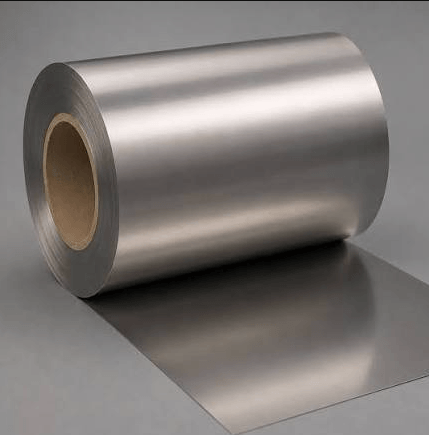
Titanium foil plays an important role in applications where low weight, corrosion resistance, and reliable material performance are essential. Manufacturers in electronics, chemical processing, laboratory equipment, aerospace-related components, and specialized industrial products often evaluate thin titanium sheets for demanding operating environments. Selecting the appropriate grade requires more than comparing dimensions or purchase prices. Buyers must also consider chemical composition, thickness tolerance, surface condition, fabrication requirements, and the conditions in which the finished component will operate.
Commercially pure titanium is valued for its combination of corrosion resistance, relatively low density, and useful mechanical properties. Unlike titanium alloys designed primarily for higher strength, commercially pure grades are selected for applications where formability and resistance to particular corrosive environments may be important.
Grade 1 titanium is generally recognized for its high ductility and excellent formability among commercially pure titanium grades. These characteristics can make it suitable for components that require bending, shaping, or fabrication into intricate profiles. Its relatively low strength compared with several other titanium grades should also be considered when designing load-bearing parts.
Material selection should always be based on the relevant specification and application requirements. Environmental conditions, temperature, loading, manufacturing processes, and the presence of other materials can all influence the final decision.
Why Foil Thickness Matters
Titanium foil is used when a component needs the properties of titanium without the additional weight or bulk associated with thicker sheet or plate. However, thin material requires careful dimensional control because small variations can affect fabrication and final performance.
Dimensional consistency
Thickness tolerance is an important purchasing consideration. If foil is used in a layered assembly, precision component, or formed part, variations can influence fit, flexibility, and overall dimensions. Buyers should define acceptable thickness ranges before requesting quotations.
Width and length requirements
Standard dimensions may be sufficient for general fabrication, but specialized projects can require custom widths or cut lengths. Ordering material closer to the final component size may reduce waste, although cutting allowances and manufacturing tolerances should still be considered.
See also: Korean vs. Western Makeup Techniques
Surface finish
Surface quality can influence appearance, cleaning, bonding, and subsequent processing. Depending on the application, buyers may require a particular finish or restrictions on visible scratches, contamination, and handling marks. Such requirements should be confirmed with the supplier before production.
Corrosion Resistance in Industrial Environments
Titanium develops a stable, protective oxide film on its surface. This film contributes to the metal’s corrosion resistance in many environments and can reform when the surface is exposed to suitable conditions.
Nevertheless, titanium should not be described as universally corrosion-proof. Its performance depends on the chemical environment, temperature, concentration, flow conditions, and interactions with other materials. Certain reducing acids, fluoride-containing environments, and specific process conditions may present limitations.
For chemical equipment or industrial assemblies, engineers should assess the actual operating environment rather than relying on general descriptions. Compatibility testing, engineering references, and applicable material standards can help establish whether a particular grade is appropriate.
Fabrication and Forming Considerations
Grade 1 titanium’s ductility can be advantageous when producing thin formed components. Depending on foil thickness and design, manufacturing operations may include cutting, bending, stamping, and other forming techniques.
Preventing surface contamination
Titanium components should be handled using clean equipment and suitable storage practices. Contact with unsuitable tools, embedded particles, oils, or other contaminants may compromise surface quality or interfere with later processing. Dedicated tooling and controlled work areas can be useful when surface integrity is important.
Managing deformation
Thin foil can wrinkle, tear, or develop unwanted distortions if the forming process is not properly controlled. Tool geometry, bending radius, material condition, and handling methods should be evaluated during production planning. Trial pieces may help manufacturers confirm that the selected material behaves as expected.
Joining and finishing
Welding, bonding, and finishing processes must be compatible with titanium and the component’s service requirements. Where welding is involved, appropriate protection from atmospheric contamination is especially important at elevated temperatures. Manufacturers should select qualified procedures rather than assuming that methods used for other metals will produce equivalent results.
Evaluating Suppliers and Material Documentation
A reliable purchasing process starts with a clear technical specification. Buyers should identify the grade, applicable standard, dimensions, thickness tolerance, surface requirements, quantity, and intended application.
Documentation is equally important. Depending on the project, purchasers may request material test certificates, chemical composition information, mechanical property data, traceability records, and inspection reports. Requirements should be agreed upon before an order is placed.
For sourcing research, product details for titanium valleys Gr1 Titanium Foil can be reviewed alongside the buyer’s technical drawings and applicable material specifications. The product information should be checked directly with the supplier to confirm current availability, dimensions, and documentation options.
Common Industries and Uses
Commercially pure titanium foil may be considered for specialized components in chemical processing, laboratory equipment, research projects, lightweight assemblies, and other applications requiring thin corrosion-resistant metal.
Its suitability depends on the specific design. In electronics or precision assemblies, dimensional control and surface cleanliness may be particularly important. In chemical applications, resistance to the actual process medium is the primary concern. For formed components, ductility and manufacturing repeatability may influence the decision.
No single grade or thickness is ideal for every use. Comparing operating conditions with verified material data helps avoid selecting foil solely because it is lightweight or easy to form.
Frequently Asked Questions
1. What distinguishes Grade 1 titanium from stronger titanium grades?
Grade 1 is a commercially pure grade known for its high ductility and formability. Other grades may provide greater strength, but the best choice depends on mechanical loads, fabrication needs, corrosion exposure, and the governing specification.
2. How should titanium foil thickness be selected?
Thickness should be determined by the component’s structural requirements, flexibility, forming process, dimensional tolerances, and service environment. Engineering calculations and prototype testing may be appropriate for critical components.
3. What documents should buyers request?
Depending on the application, buyers may request material certificates, chemical composition results, mechanical test data, dimensional inspection records, and batch traceability documentation. The exact requirements should be agreed upon before ordering.
Commercially pure titanium foil can provide a useful combination of formability, low weight, and corrosion resistance for specialized industrial applications. Successful selection depends on understanding Grade 1’s properties, specifying precise dimensions, controlling surface quality, and confirming compatibility with the operating environment. By evaluating technical requirements and supplier documentation before purchasing, manufacturers can make better-informed material decisions and reduce the risk of costly fabrication problems.