Newsletter Subscribe
Enter your email address below and subscribe to our newsletter
Enter your email address below and subscribe to our newsletter

 ByJohn A
Two women can follow completely different fifteen-minute makeup routines, and both end up looking genuinely put-together, just in entirely different ways. That’s really the whole story of Korean versus Western beauty, two philosophies that start from different premises and arrive at equally valid, but visually distinct, results.
Understanding the difference actually helps when shopping a range like Korean skincare, since knowing which philosophy you’re drawn to changes what you should actually be buying.
Western cosmetics tend to focus on using makeup and application techniques to cover flaws, while Korean beauty starts from the belief that real beauty begins with the skin itself. Korean products focus on fixing underlying skin issues rather than covering them up, which is a genuinely different starting point than most Western routines take.
This philosophical difference shows up immediately in how each approach actually gets applied. K-Beauty’s whole aesthetic starts with healthy, hydrated skin, cushion compacts, and BB creams built with hydrating ingredients that create a luminous finish rather than a masked one. Western makeup, by contrast, leans into soft matte skin that blurs imperfections and holds its shape for hours, prioritizing structure over letting the skin’s natural texture show through.
The Korean aesthetic’s most famous export is probably “glass skin,” glossy, plump, dewy, achieved by layering lightweight products in thin coats rather than one heavy application. Western makeup instead builds toward bold pigments, defined structure, and coverage that holds up through a long day without needing much touch-up. Neither approach is trying to achieve the same end goal, which is part of why comparing them head-to-head can feel a bit like comparing apples to oranges.
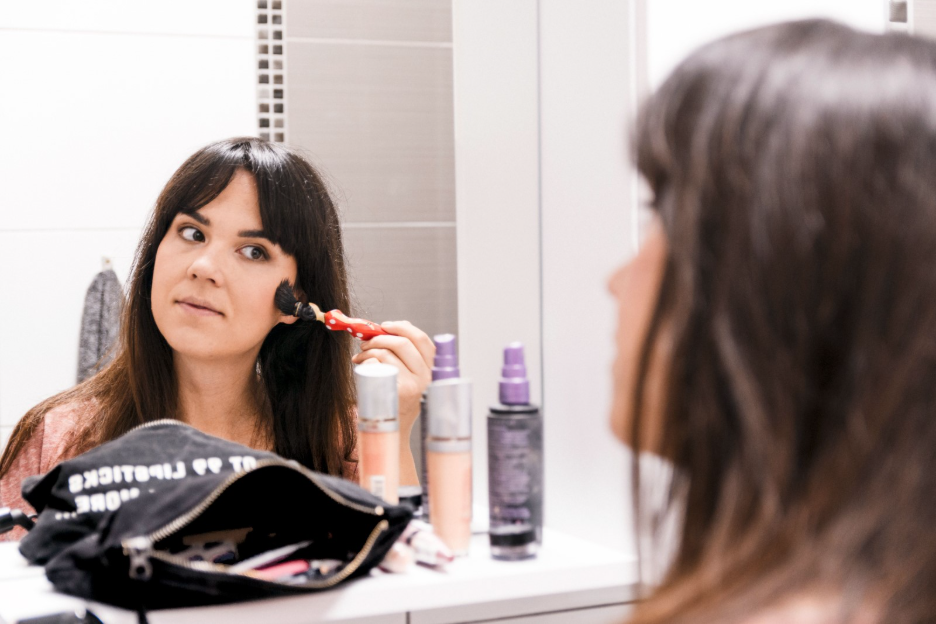
Korean routines emphasize patting and pressing products into skin gently, building color and coverage gradually in thin layers, which supports that dewy, glowing finish. Western techniques often lean toward blending with brushes and sponges to create sharper, more defined structure, contouring, sculpting, and a more sculpted overall look.
The difference starts well before makeup goes on. Korean beauty places a strong emphasis on skincare, often using several hydrating and barrier-supporting steps to create a smooth, well-prepped base. Western routines tend to be more varied, with greater emphasis on individual preferences and targeted products. This difference in approach can shape everything from how the skin is prepared to how the finished makeup looks. Korean and Western beauty approaches offer useful context for understanding why the two styles can feel so different.
There isn’t much value in deciding that one approach is better than the other. What works depends on your skin, routine, and the kind of results you want. Korean skincare often puts more weight on maintaining hydration and supporting the skin barrier, while Western routines may focus more heavily on targeted actives and addressing specific concerns. Understanding these differences between Korean and Western skincare makes it easier to take what works from either approach and build a routine that suits you.
See also: Essential Shirts for Men: Styles Every Wardrobe Needs
You don’t have to pick one philosophy and stick to it exclusively. Plenty of people build a Korean-style skincare foundation, hydration-focused, gentle, layered, and then apply Western-style makeup techniques on top for a more structured, defined finish. The two approaches aren’t actually incompatible; they’re just addressing different stages of the process.
If your skin runs dry or is sensitive, the Korean emphasis on gentle, hydrating, barrier-supporting products may genuinely serve you better than a routine built around stronger Western actives. If you’re managing specific concerns, acne, hyperpigmentation, or texture, the more targeted, results-driven Western approach might get you there faster. Neither answer is wrong; it depends entirely on what your skin actually needs right now.
The most useful approach isn’t picking a side based on which trend feels more popular online. It’s actually trying elements of both, a lighter Korean-style base one week, a more structured Western application the next, and noticing which one your skin and your personal taste genuinely respond to better. That answer’s more useful than any general philosophy debate could ever be.