Newsletter Subscribe
Enter your email address below and subscribe to our newsletter
Enter your email address below and subscribe to our newsletter

 ByJohn A
The entrance sets the tone for the rest of a house. Before anyone sees the living room, kitchen, staircase, or garden, the front door creates the first visual impression. A single door with an arched design can give that entrance a distinct character without requiring major changes to the rest of the exterior.
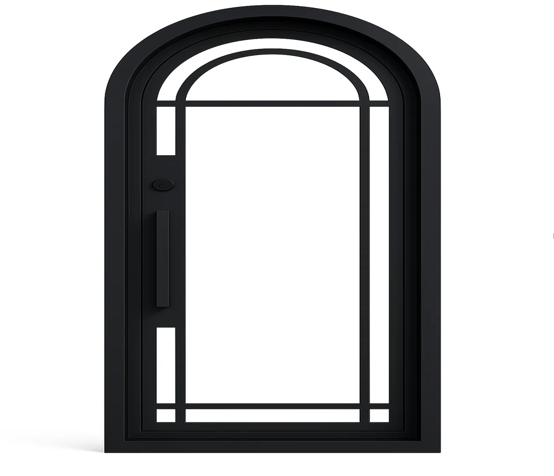
An arch introduces a softer outline than the straight lines found on most conventional doors. A Single Door Arch Design can make a façade feel more welcoming, add architectural interest, and work with both traditional and contemporary homes. The effect depends on the proportions, materials, colour, glazing, and surrounding features, but the basic appeal comes from the shape itself.
Most residential entrances rely on rectangular proportions. Straight vertical sides and a horizontal top create a neat, structured appearance, but they can also make a façade look predictable.
An arched single door breaks that pattern. The curved upper section draws the eye upward and adds movement to an otherwise angular exterior. This can be particularly effective on homes with brickwork, stone, rendered walls, or other materials dominated by straight lines.
The curve does not need to be dramatic. A shallow arch can provide a subtle change, while a taller rounded opening creates a stronger architectural feature. Choosing the right shape for the property prevents the entrance from looking disconnected from the rest of the façade.
See also: Choosing the Right Reverse Mortgage Broker for Your Needs
A front entrance naturally attracts attention, and an arch gives it an additional detail for the eye to follow. Instead of blending into the surrounding wall, the door can become a clear focal point.
This is useful on façades where there are few distinctive architectural elements. A single arched door can provide visual interest without adding decorative columns, elaborate mouldings, or other features that may require more maintenance.
The surrounding area can reinforce this effect. Wall lighting placed on either side, a small porch, contrasting trim, or a pathway leading toward the entrance can help frame the door. The goal is not to surround it with decoration, but to give the architectural shape enough space to stand out.
An arched doorway is often associated with older architectural styles, but the design is not limited to period properties. Its appearance can change considerably depending on the materials and detailing used.
A timber door with raised panels and decorative glass can complement a traditional brick or stone house. A smooth, minimally detailed door with a narrow arch can suit a contemporary exterior. Metal finishes, large glass panels, muted colours, and simple hardware can also give an arched entrance a cleaner appearance.
The proportions matter as much as the materials. A large, elaborate arch may look appropriate on a substantial property but overpower a compact façade. A simpler design can provide the same curved detail without competing with the rest of the house.
Architectural balance is often about relationships between shapes rather than individual features. A tall façade, narrow windows, pitched roof, or vertical wall elements can sometimes benefit from a door that draws the eye upward.
The curved top of an arched door can visually connect the lower part of the house with features above it. For example, a tall entrance may echo the angle or curve of nearby windows. On a property with a pitched roof, an elongated arch can also complement the upward lines created by the roof structure.
This does not mean every feature needs to match. Repeating one subtle shape can be enough to make the exterior feel considered rather than assembled from unrelated elements.
The arch provides the basic form, while the door material determines much of its personality. Timber remains a popular choice for homeowners who want warmth and visible texture. Different stains and finishes can produce anything from a rustic appearance to a refined entrance.
Painted doors offer greater flexibility. Deep greens, blues, charcoal tones, or classic neutral shades can contrast with brick and stone, while lighter colours can create a softer appearance.
Glass can also change the character of a single arched door. Small decorative panes may suit a traditional property, while larger areas of clear or textured glass can provide a contemporary feel. Glass placement should also consider privacy, natural light, and the position of the entrance in relation to the street.
Handles, knockers, hinges, locks, and other fittings may seem like small details, but they contribute to the overall appearance of an entrance.
Traditional properties often pair well with aged or brushed metal finishes and more decorative hardware. Modern homes may suit simple lever handles or understated fittings. The finish can also be coordinated with exterior lighting, house numbers, gates, or other metalwork around the property.
Practical considerations should remain part of the selection process. The door hardware needs to be comfortable to use, durable enough for regular exposure, and compatible with the locking system.
An attractive arch cannot compensate for poor proportions. The height and width of the doorway should work with the scale of the façade and the surrounding windows.
A door that is too narrow can appear cramped, while an oversized entrance may dominate the front elevation. The arch itself should also have a shape that works with the door’s dimensions. A very tight curve can produce a different effect from a broad, gentle arch.
The surrounding wall construction matters as well. Existing openings may place restrictions on the dimensions, while a new-build project allows more freedom. Professional measurements can help establish the correct proportions before manufacturing or installation begins.
The strongest results usually come from treating the entrance as part of the complete façade rather than as an isolated feature.
Brick arches, stone surrounds, rendered reveals, porch roofs, and wall niches can all frame a curved doorway. Landscaping can contribute too. Low planting, paving, steps, and exterior lighting can guide attention toward the entrance without making it feel overly decorated.
House numbers and signage should also be positioned carefully. Placing them within the surrounding wall or beside the door can keep the arch itself visually clear.
Good looks are only one part of choosing an entrance door. Weather exposure, security, insulation, maintenance, and everyday use should influence the final specification.
The material needs to suit the local climate and the amount of protection offered by the entrance. A door exposed directly to rain and strong sunlight may require different finishes and maintenance than one beneath a covered porch.
Glazing also needs careful consideration. Different glass types can affect privacy, insulation, appearance, and natural light. The locking system and door construction should provide the level of security appropriate for the property.
A single door arch design can make a noticeable difference without requiring every exterior feature to change. The curved profile introduces a different geometry, creates a natural focal point, and offers plenty of scope for material and hardware choices.
The most successful designs tend to respect the house around them. A restrained arch can complement a contemporary façade, while a more detailed entrance may suit a traditional property. Careful attention to scale, materials, colour, glazing, and surrounding details allows the doorway to feel like a natural part of the architecture.
For homeowners considering an exterior update, the entrance is one of the most visible places to begin. A well-proportioned arched single door can give the façade a stronger sense of character while remaining practical for everyday use.