Newsletter Subscribe
Enter your email address below and subscribe to our newsletter
Enter your email address below and subscribe to our newsletter


 ByJohn A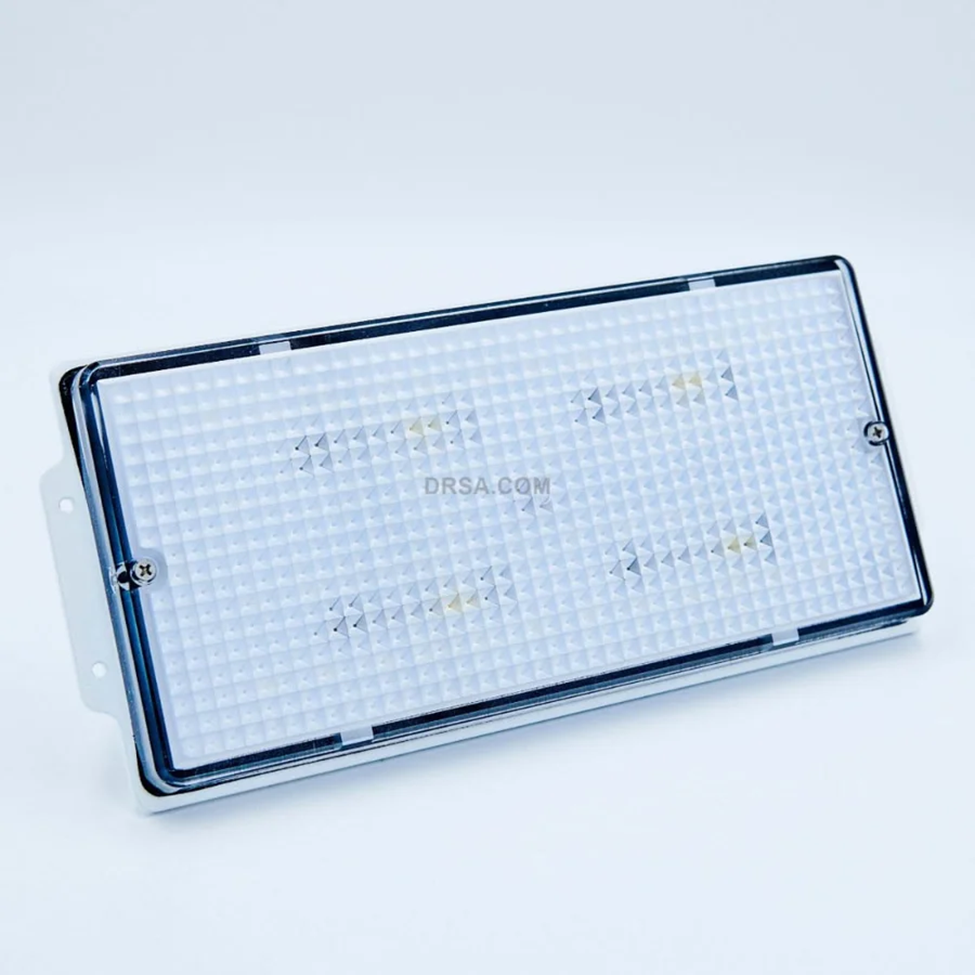
An engine room is one of the least forgiving areas on a boat for electrical equipment. Moisture, condensation, oil, fuel residue, vibration, heat, and limited ventilation can all affect lighting fixtures. A standard household or indoor-rated light may work well in a dry cabin, but it is not designed for the conditions found around marine engines and machinery.
Choosing suitable waterproof engine room lights involves more than finding a fixture that produces enough brightness. Boat owners should consider water resistance, heat tolerance, electrical ratings, construction, installation location, maintenance, and the type of work the light needs to support.
Engine compartments can vary considerably from one boat to another. A small recreational vessel may have a compact compartment beneath the cockpit, while a larger yacht may have a dedicated machinery space with multiple engines, pumps, batteries, generators, and fuel systems.
Moisture is one of the biggest concerns. Water can enter through hatches, deck fittings, ventilation openings, condensation, or routine maintenance activities. Even when an engine room is not directly exposed to spray, humidity can remain high for long periods.
Oil, grease, salt residue, and cleaning chemicals can also settle on lighting fixtures. A suitable light should therefore be built for more than occasional contact with water.
See also: Choosing the Right Reverse Mortgage Broker for Your Needs
The Ingress Protection, or IP, rating is one of the most useful specifications to check before buying a marine light. An IP rating indicates how well an electrical enclosure protects its internal components against solid particles and water.
For example, a fixture rated IP65 is protected against dust and water jets, while IP67 provides protection against dust and temporary immersion under specified test conditions. The exact level needed depends on the location and exposure of the fixture.
An engine-room light does not necessarily need the highest IP rating available. However, choosing a fixture with an appropriate rating provides a useful margin against moisture and cleaning water. The manufacturer’s specifications should always be checked rather than relying only on the word “waterproof” in a product description.
Engine rooms often contain tightly packed components, making shadows a serious problem. A dim fixture can leave belts, hoses, clamps, filters, wiring, and fluid connections difficult to inspect.
Look at the fixture’s lumen output rather than judging brightness by wattage alone. LED lights generally provide substantial illumination with relatively low power consumption, making them well suited to boats where electrical demand matters.
Light distribution also deserves attention. A very bright narrow beam may illuminate one component while leaving the surrounding area dark. A broader spread can make it easier to inspect machinery and locate leaks or loose connections.
Multiple smaller fixtures can sometimes provide better coverage than one powerful light mounted in a single position.
Engine compartments can become considerably warmer than the rest of a boat. Lights installed close to engines, exhaust components, turbochargers, generators, or other heat-producing equipment may be exposed to elevated temperatures.
Check the fixture’s specified operating temperature range before installation. The light should be positioned according to the manufacturer’s clearance requirements, particularly around hot machinery.
LED fixtures generally produce less heat than older incandescent lighting, but the fixture itself still needs to dissipate heat properly. A sealed housing can affect thermal management, so the manufacturer’s installation instructions matter.
A boat’s electrical system is different from a household electrical system. Many recreational vessels use 12-volt or 24-volt DC systems, while larger vessels may have additional AC equipment.
The light must match the boat’s voltage and electrical configuration. Installing a fixture designed for a different voltage can result in poor performance or equipment failure.
Owners should also check current draw, wiring requirements, polarity, switching arrangements, and fuse protection. A qualified marine electrician can verify these details where there is any uncertainty.
Corrosion resistance is another consideration. Salt air and humidity can attack exposed metal components, terminals, screws, and connectors. Fixtures made with suitable marine-grade materials and protected electrical connections are better suited to long-term use aboard a boat.
The position of an engine room light affects both usefulness and durability. A fixture mounted too close to moving machinery can be vulnerable to vibration or accidental impact. One placed behind a large engine may provide little useful illumination.
Before drilling or mounting anything, identify the areas that require regular inspection. Filters, belts, fluid reservoirs, pumps, battery connections, and service panels should remain visible.
Low-profile fixtures are often practical in confined spaces because they take up little room and reduce the chance of being struck while working around machinery.
Mounting hardware should also be appropriate for the environment. Stainless steel hardware and corrosion-resistant fittings can help reduce problems caused by moisture and salt exposure.
Engines generate continuous vibration, and that vibration can affect electrical fixtures over time. A light may remain electrically functional while its mounting hardware gradually loosens.
Choose a fixture designed for marine or industrial environments where possible. Secure mounting and suitable fasteners are just as important as the light itself.
Wiring should be routed away from belts, pulleys, hot surfaces, sharp edges, and moving components. Proper cable support prevents unnecessary strain on terminals and connections.
Engine room lighting is not only useful for routine maintenance. It can become particularly valuable during an unexpected problem.
A failed alternator, overheating engine, leaking hose, electrical fault, or broken belt may require inspection at an inconvenient time. Having dependable lighting in the machinery space can make it easier to identify the affected component.
Some boat owners install more than one lighting fixture so that a single failure does not leave the entire compartment dark. A separate portable, rechargeable marine light can provide another layer of convenience for inspections in difficult-to-reach areas.
Emergency lighting should still be stored where it can be accessed quickly rather than buried beneath equipment.
A waterproof fixture is not maintenance-free. Dust, oil mist, salt residue, and grime can build up on the lens and reduce the amount of light reaching the engine compartment.
Inspect the fixture periodically and clean the lens using products recommended by the manufacturer. Check mounting points, wiring, switches, connectors, and seals during routine maintenance.
Any cracked housing, damaged cable, loose connection, or deteriorated seal deserves attention. Water resistance depends on the condition of the entire fixture, not just its original certification.
Even a properly rated light can become unreliable if installed incorrectly. Cable entries need to be protected, connections need suitable insulation, and mounting points must not compromise the enclosure.
Avoid drilling into areas that contain hidden wiring, fuel lines, plumbing, or structural components. Keep electrical connections away from locations where water or fluids can collect.
For installations involving unfamiliar wiring, complex switching, or changes to the vessel’s electrical system, professional marine electrical assistance is a sensible precaution.
A suitable engine room light should fit the actual conditions aboard the vessel rather than simply having a waterproof label. Owners should review the IP rating, voltage, brightness, temperature range, construction materials, mounting method, and power consumption together.
The best location may require several fixtures instead of one. Good illumination should reach the places where routine checks and repairs actually happen, without exposing the equipment to unnecessary heat, vibration, or physical damage.
A well-planned lighting setup makes the engine compartment easier to inspect and maintain. It can also reduce the frustration of working in cramped machinery spaces with a flashlight held between your teeth or balanced on nearby equipment. For boat owners, that practical difference is often reason enough to give engine room lighting more attention during an electrical upgrade.