Newsletter Subscribe
Enter your email address below and subscribe to our newsletter
Enter your email address below and subscribe to our newsletter

 ByJohn A
Electrical transformers are used to change voltage levels so electrical equipment can operate safely and efficiently. Among the smaller transformer ratings, a 15 kVA single phase transformer is commonly considered for residential, commercial, agricultural, and light industrial applications where the electrical load does not require a three-phase supply.
Selecting the right transformer requires more than checking its capacity. Voltage requirements, installation conditions, efficiency, insulation, protection, and expected load all affect the suitability of a particular unit. Understanding these factors can make equipment selection more straightforward and help prevent operating problems.
A 15kVA transformer has a rated apparent power capacity of 15 kilovolt-amperes. The transformer transfers electrical energy between circuits through electromagnetic induction while changing the voltage from one level to another.
The actual voltage configuration depends on the model. A transformer may be manufactured for different primary and secondary voltages according to the requirements of the electrical system.
For example, equipment may require a lower voltage than the incoming utility supply. A transformer can reduce the incoming voltage to the level required by lighting, machinery, control equipment, or other connected loads.
The 15 kVA rating indicates the amount of apparent power the transformer is designed to handle under its specified operating conditions. It does not mean that every installation will have the same input and output voltage.
See also: Guaranteeing the Longevity of Dogs and Cats
A 15kva transformer 1 phase model is designed for single-phase electrical systems. Single-phase power is widely used in homes, small businesses, farms, workshops, and other locations where three-phase power is unnecessary.
The transformer contains primary and secondary windings separated electrically but linked magnetically through a core. Depending on the design, the unit can either step voltage down or step it up.
The appropriate configuration depends on the supply voltage, required output voltage, frequency, and connected equipment. These details should be established before ordering because transformers with the same kVA rating can have very different electrical specifications.
A 15 KVA transformer can serve several types of electrical installations. Common applications include:
The expected load should be calculated before selecting the transformer. Equipment with motors or other loads that produce starting currents may require additional consideration because the initial current can be considerably higher than the normal running current.
A transformer should not routinely be operated beyond its rated capacity. Excessive loading can increase winding temperature and accelerate insulation deterioration.
A transformer specification sheet contains several details that affect installation and performance. The kVA rating is only one part of the selection process.
The primary voltage must correspond to the available electrical supply, while the secondary voltage must match the requirements of the connected equipment.
Some transformers have fixed voltage ratios, while others provide taps that allow limited voltage adjustment.
Frequency is another essential specification. Transformers are commonly designed for 50 Hz or 60 Hz operation, depending on the electrical system and application.
The transformer should be rated for the frequency of the supply. Using an unsuitable frequency can affect magnetic flux and operating temperature.
Insulation systems protect the windings and other conductive components from electrical breakdown. The insulation class indicates the temperature capability of the insulation system.
The selected rating should be appropriate for the expected operating environment and transformer loading.
Smaller transformers may use air cooling, while other designs may use oil or another cooling medium. The cooling method affects installation requirements, maintenance, and the environment in which the transformer can be installed.
Indoor and outdoor installations can have different enclosure requirements. Outdoor equipment may need protection against moisture, dust, sunlight, and changing weather conditions.
Available mounting space should also be checked before purchase. Proper clearance around the transformer may be necessary for ventilation and maintenance access.
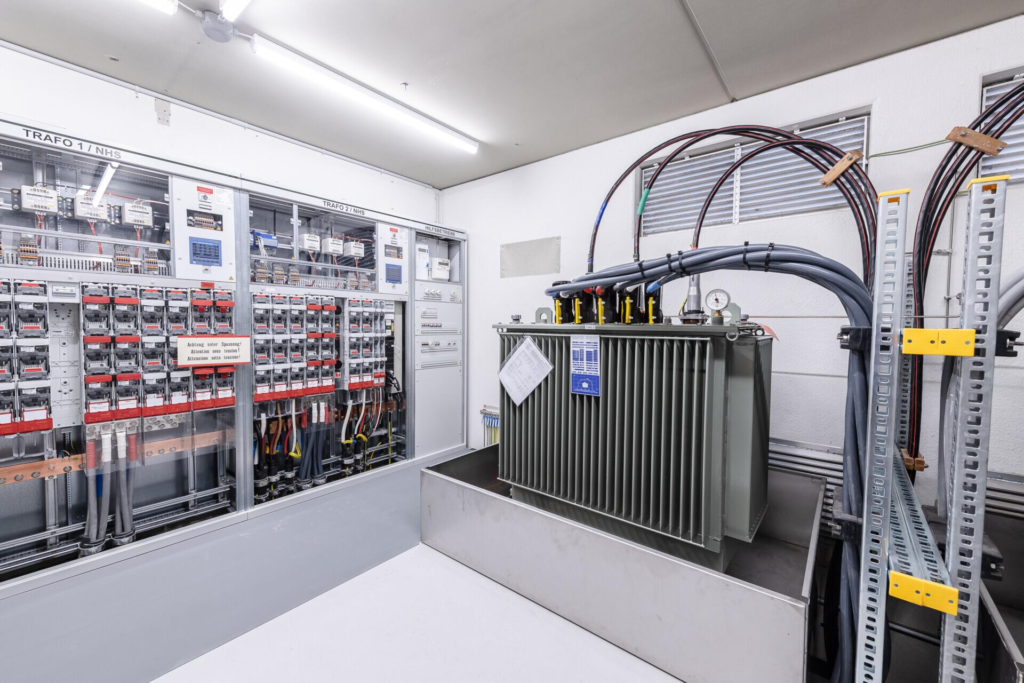
The 15 kVA single phase transformer price varies according to its electrical specifications, construction, insulation system, enclosure, accessories, manufacturer, and quantity ordered.
A lower purchase price does not necessarily represent lower operating cost. Efficiency can affect electricity losses over the transformer’s service life, particularly when the equipment operates for long periods.
Buyers should compare the complete specification rather than comparing prices based only on the kVA rating. Two transformers with identical capacity may have different voltage ratios, efficiency levels, protection features, construction standards, or installation requirements.
It is also useful to consider warranty terms, replacement parts, technical support, and maintenance requirements when evaluating quotations.
The connected load should be calculated before purchasing a transformer. Start by listing the equipment that will operate from the transformer and determine the electrical demand of each item.
For resistive loads, the calculation is relatively straightforward. Motors, compressors, pumps, welders, and other equipment with high starting currents require more careful assessment.
A transformer should have sufficient capacity for normal operating demand without being continuously overloaded. At the same time, choosing an excessively large unit can increase initial cost and may not provide an economic advantage for a lightly loaded installation.
Load growth can also be considered if additional equipment is expected to be installed later.
Correct installation affects transformer performance and service life. The installation area should provide adequate ventilation, suitable environmental protection, and enough working space for inspection.
Electrical connections should be made according to the manufacturer’s wiring diagram and applicable electrical requirements. Appropriate overcurrent protection should be provided on the relevant circuits.
Routine inspection can help identify loose connections, unusual noise, overheating, damaged insulation, corrosion, or other signs of trouble. Oil-filled equipment may require additional checks depending on its design and maintenance instructions.
The transformer should also be kept within its specified temperature and load limits.
Before purchasing a transformer, prepare the following information:
Providing these details to the supplier helps ensure that the proposed transformer matches the actual installation rather than simply matching a capacity number.
A 15 kVA single phase transformer can be suitable for electrical systems with moderate single-phase loads, but the 15 kVA rating alone does not determine whether a particular model will work for an installation.
Voltage ratio, frequency, load characteristics, cooling, insulation, enclosure, installation environment, and protection requirements should all be reviewed before purchase. Comparing complete technical specifications alongside the quoted cost gives buyers a clearer basis for selecting equipment that fits their electrical system and operating requirements.