Newsletter Subscribe
Enter your email address below and subscribe to our newsletter
Enter your email address below and subscribe to our newsletter

 ByJohn A
Large buildings often need more than temperature reduction to maintain a comfortable indoor environment. Factories, warehouses, commercial buildings, kitchens, halls and other occupied spaces may also require continuous movement of outdoor air, heat removal and ventilation.
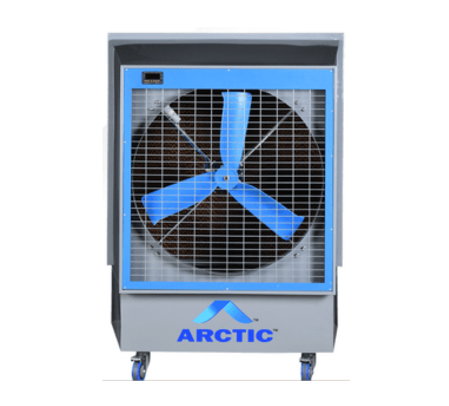
An air washer uses water and airflow as part of the evaporative cooling process. Hot air passes over wet cooling media, allowing evaporation to absorb heat before the cooled air is supplied to the occupied area. The approach is particularly relevant to spaces where fresh-air movement is a major part of the cooling requirement.
An air washer is a cooling and air-treatment arrangement in which air comes into contact with water or water-saturated media. In evaporative cooling applications, the process uses evaporation to reduce the temperature of incoming air before it is delivered into a building.
The term is used across industrial and commercial cooling applications because the system handles large volumes of outdoor air rather than relying only on recirculated indoor air.
Warm outdoor air enters the cooling equipment and passes through wet cooling pads. Water evaporates from the pad surface, absorbing heat from the moving air. The resulting air has a lower dry-bulb temperature and is then supplied to the required area.
The amount of cooling depends on outdoor conditions, airflow, pad performance and the design of the equipment.
Evaporative cooling is based on the natural process of water evaporation. The cooling media provides a large wet surface through which air can pass.
The cooling pad design also affects performance. ARCTIC describes its EcoCool evaporative cooling pads as cellulose-based media with a high surface area designed to promote airflow over the wet cooling surface.
Air washers can be applied to spaces where large quantities of fresh, cooled air are required. The applications listed by the manufacturer include factories, warehouses, kitchens, hospitality facilities, offices, schools and multipurpose halls.
The cooling process involves several connected stages. Outdoor air enters the unit, passes through the evaporative media and is then moved into the occupied space. Ventilation and exhaust form an important part of the overall arrangement because fresh air needs a path through the building.
The process starts with outdoor air entering the cooler. This air contains heat that can be reduced through evaporation.
Fresh-air intake makes evaporative cooling different from systems that primarily depend on recirculating indoor air. The air entering the building is continuously drawn from outside, subject to the system and building design.
The incoming air passes through wet cooling pads. These pads provide a large surface area where air and water can interact.
Pad thickness, surface area, construction and water distribution all affect the contact between air and the cooling media. A properly maintained pad allows air to pass through the wet surface without unnecessary restriction.
As water evaporates, it absorbs heat from the air. This lowers the air temperature before the air reaches the supply outlet.
Outdoor relative humidity affects the amount of evaporation that can occur. Evaporative cooling generally performs more effectively when the incoming air has greater capacity to absorb additional moisture.
A fan or blower moves the cooled air toward the occupied area. For large buildings, the cooled air can be distributed through ducts and multiple outlets.
The airflow requirement depends on the size of the building, occupancy, heat sources and desired air distribution. A suitable air volume needs to reach the areas where cooling is required.
Fresh-air cooling works best when there is also an effective route for indoor air to leave. As cooled outdoor air enters the building, warmer indoor air can be displaced through exhaust openings, doors, windows or mechanical ventilation.
The manufacturer describes evaporative cooling as an air-change approach in which fresh cooled air helps displace stale and hot indoor air.
For more information about evaporative cooling systems and their applications, visit ARCTIC.
Large occupied spaces can accumulate heat, odours and stale air when ventilation is insufficient. Cooling and ventilation therefore need to be considered together.
Fresh air entering through a cooling system needs to move across the occupied area before leaving the building. This creates continuous air movement rather than simply treating the same indoor air repeatedly.
Poorly moving air can create areas where heat and stale air remain concentrated. Planned airflow helps circulate air through occupied zones and supports more consistent conditions.
Factories, kitchens, restaurants and other commercial spaces may produce heat, vapour or odours during normal operation. Fresh-air cooling combined with suitable exhaust can assist with moving these conditions out of occupied areas.
The site’s commercial cooling information specifically identifies ventilation, fresh air and the removal of odours and stale air among the stated applications and benefits of evaporative cooling.
Large occupied spaces can experience changing heat loads throughout the day. Fresh-air movement helps maintain circulation while evaporative cooling reduces the temperature of incoming outdoor air.
Air washers and evaporative cooling systems can be applied to different building types where fresh-air cooling and high air volumes are required.
Manufacturing areas can contain machinery and processes that add heat to the indoor environment. Fresh cooled air can be distributed across production areas according to the building’s airflow requirements.
Warehouses can have large floor areas and high ceilings. Cooling arrangements need to account for the volume of the space, storage layout and available air relief.
Offices, retail spaces, schools and other commercial buildings can use evaporative cooling where fresh-air circulation and large-area airflow are required. The listed commercial applications include offices, government buildings, gyms, schools, shopping facilities and other occupied spaces.
Kitchens produce heat, steam and odours through cooking activity. Cooling can be coordinated with exhaust and ventilation so that fresh air moves through the working area.
Hotels, restaurants, resorts and other hospitality spaces can require cooling in occupied areas while maintaining suitable ventilation. Evaporative systems can provide fresh cooled air where the building conditions are appropriate.
Banquet halls, wedding halls, auditoriums and similar spaces can have high occupancy and substantial internal heat loads. Fresh-air cooling can support air movement across large floor areas.
Air washers and conventional air conditioning use different cooling principles. The right arrangement depends on climate, humidity, ventilation requirements, building design and the level of temperature control required.
Evaporative cooling uses water evaporation to reduce the temperature of incoming air. Conventional air conditioning uses a refrigeration cycle to remove heat from air.
An evaporative system therefore relies strongly on outdoor air conditions, while refrigeration-based cooling can provide more controlled temperature and humidity conditions.
Evaporative coolers are designed around the movement of outdoor air through the cooling media. This makes fresh-air supply a central part of the process.
Conventional air conditioning can provide fresh air when paired with suitable ventilation equipment, but many systems primarily recirculate indoor air.
Air washers continually introduce outdoor air as part of their cooling process. The warm indoor air needs an appropriate route for discharge.
This differs from recirculating systems where indoor air is repeatedly passed through the cooling equipment.
Evaporative cooling does not require the refrigeration compressor and refrigerant circuit used by conventional air conditioning. The electrical requirement is primarily associated with fans, blowers, pumps and related components.
The actual energy use varies according to equipment size, airflow, operating hours and site conditions.
Evaporative cooling is particularly applicable to large open or semi-open spaces where substantial fresh-air movement is required. The manufacturer’s information identifies large industrial and commercial spaces as key applications.
The cooling effect of an air washer is influenced by both the equipment and the environment in which it operates.
Higher outdoor temperatures create a greater sensible cooling requirement. The actual temperature reduction depends on the available evaporative potential and equipment design.
Humidity has a direct effect on evaporation. Air with lower relative humidity has greater capacity to absorb moisture, generally allowing stronger evaporative cooling.
The amount of air moved by the system should correspond to the size and use of the building. Insufficient airflow can leave areas without adequate circulation, while unsuitable airflow distribution can concentrate cooling in limited sections.
The cooling pads need adequate water distribution and sufficient surface area for effective air contact. Dirt, scaling, damage or poor water flow can affect performance.
The building must have an effective route for air to enter and leave. Without adequate exhaust or air relief, the incoming cooled air cannot circulate as intended.
Equipment capacity, blower selection, ductwork, grille positions and cooling zones should be considered together. The design should match the physical characteristics of the building rather than relying on equipment capacity alone.
An air washer can form part of a broader cooling and ventilation arrangement for industrial spaces. Its usefulness depends on the building’s heat load, climate, airflow requirements and exhaust provisions.
Fresh cooled air can be directed toward areas affected by machinery, equipment or high occupancy. The incoming air absorbs and carries heat as it moves through the space.
Large volumes of moving air can reduce stagnant areas and help distribute cooled air across the occupied floor.
Lower indoor temperatures and continuous fresh-air movement can contribute to more comfortable working conditions. The manufacturer’s commercial information associates cooling and ventilation with comfort and productivity.
Industrial spaces often require much greater airflow than individual rooms. Equipment can be selected according to the required airflow volume and distribution arrangement.
Cooling should be coordinated with exhaust systems so that fresh cooled air can move through the work area and warm or stale air can leave the building.
An air washer is an air-cooling arrangement that brings air into contact with water or water-saturated media. In evaporative cooling applications, evaporation absorbs heat from incoming air and lowers its temperature before delivery.
The terms can overlap in commercial and industrial applications. Both can use water evaporation to cool air. The exact configuration depends on the equipment design, cooling stages, airflow arrangement and intended application.
Yes. Evaporative cooling systems draw outdoor air through the cooling media before supplying it indoors. Proper exhaust or air relief allows the incoming fresh air to displace warmer and stale indoor air.
Yes. Evaporative cooling systems are listed for factory shop floors, manufacturing facilities and other industrial applications. The required airflow and cooling arrangement should be determined from the building’s heat load, layout and ventilation conditions.
They can be suitable for large commercial spaces where fresh-air cooling, ventilation and high-volume airflow are required. Applications listed by the manufacturer include offices, hospitality facilities, shopping spaces, schools, banquet halls and auditoriums.
See also: How Better Branding Can Give a Tech Website a More Professional Edge
Selecting an air washer begins with understanding the building rather than focusing only on the equipment. Floor area, ceiling height, occupancy, outdoor climate, internal heat sources and ventilation conditions all affect the cooling requirement.
Airflow capacity should be matched to the size and use of the space, while cooling pad performance and blower capacity need to support the intended operation. Buildings with large heat loads may also require carefully planned exhaust to allow fresh cooled air to circulate effectively.
Evaporative cooling is particularly relevant where large quantities of outdoor air are required and the building can support continuous air movement. Climate and humidity should also be assessed because they directly influence the effectiveness of evaporation.
For help assessing a large-space cooling requirement or discussing suitable equipment, visit the Contact page.