Newsletter Subscribe
Enter your email address below and subscribe to our newsletter
Enter your email address below and subscribe to our newsletter

 ByJohn A
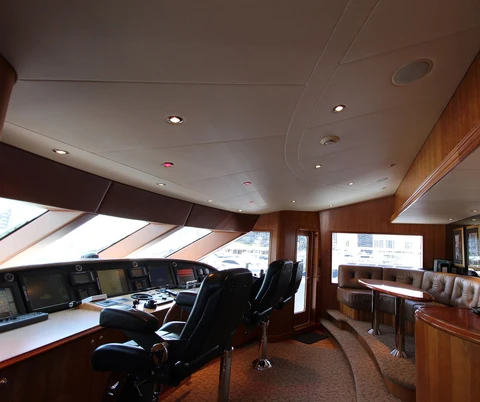
A headliner covers the upper interior surfaces of a boat, helping create a finished cabin environment while also contributing to comfort and insulation. On a yacht, the ceiling is exposed to humidity, temperature changes, condensation, and regular use, so the material and installation method need to suit the marine environment.
marine headliners are available as custom-fitted interior solutions for boats and yachts. Proper patterning allows the material to follow the dimensions and contours of the vessel instead of relying on generic ceiling panels.
A well-planned headliner replacement can also be coordinated with cabin upholstery, bedding, quilting, and other interior elements. The result is a ceiling finish that fits the space physically while complementing the overall cabin design.
A marine headliner is an upholstered or fabric-covered interior surface installed across the ceiling or upper portions of a boat’s cabin. It conceals underlying surfaces and construction while providing a more finished appearance.
Marine headliners also have practical functions. The right material can contribute to insulation, acoustic comfort, and easier maintenance, while a properly fitted installation can help prevent loose or uneven sections.
A headliner provides a finished layer between the occupants and the structural or backing surface above the cabin. It can conceal wiring, fasteners, backing boards, and other components while giving the interior a consistent appearance.
Foam-backed materials can add another layer of cushioning and can help absorb some interior sound. The backing can also contribute to the overall visual depth of the finished surface.
Headliners are commonly found in cabins, staterooms, salons, passageways, and other enclosed areas where the upper interior surface needs a finished treatment.
The size and shape of these areas can vary considerably between vessels. Some sections may be flat, while others follow curves, angles, or changes in the cabin structure.
A boat interior has different environmental conditions from a typical home. Humidity, condensation, salt air, temperature fluctuations, and limited ventilation can affect materials and adhesives.
Marine-specific headliner materials are selected with these conditions in mind. The material also needs to work with the vessel’s existing surfaces and installation requirements.
Material selection has a direct effect on how a headliner looks, feels, and performs over time. A material suitable for a dry residential room may not provide the same characteristics inside a boat.
The selection should consider moisture exposure, cleaning requirements, cabin conditions, appearance, and the desired level of acoustic or thermal comfort.
Cabins can experience elevated humidity, condensation, and occasional moisture exposure. Materials used overhead should therefore be appropriate for the conditions in which the vessel operates.
Mildew resistance is another consideration. The headliner collection specifies mildew-resistant materials, including foam-backed Majilite, for marine interior applications.
A headliner needs to withstand regular cabin use without quickly losing its appearance. Material quality, backing construction, adhesive selection, and installation technique all affect durability.
Foam-backed materials can provide a fuller appearance while adding functional characteristics to the interior. The material should be selected according to the particular requirements of the cabin.
Interior materials need to be maintained without damaging their surface or backing. Cleaning methods should follow the material manufacturer’s recommendations.
Regular inspection can also identify early signs of peeling, bubbling, staining, or separation. Addressing these issues before they spread can help reduce the scope of a later repair.
A custom headliner is patterned around the actual dimensions of the vessel. This approach is useful where the ceiling includes curves, fixtures, panels, or other details that make a standard sheet unsuitable.
The visual result is only one consideration. A properly planned headliner can also work with the cabin’s existing upholstery and interior layout.
A new headliner can replace tired, stained, loose, or deteriorated material with a consistent finished surface.
Color and texture can be selected to complement the cabin rather than treating the ceiling as an isolated component. This can be particularly useful during a wider interior refurbishment.
Boat interiors rarely have completely uniform ceiling dimensions. Lighting, vents, panels, cabinetry, and curved surfaces can all affect the available space.
Custom patterning allows these details to be incorporated into the installation. Accurate measurements help reduce excess material and improve the finished fit.
The headliner can be selected alongside seating fabrics, wall coverings, bedding, and other upholstery. Coordinated materials can help establish a consistent interior scheme.
The choice does not have to mean using identical materials throughout the cabin. Similar colors, textures, or stitching details can create visual continuity while allowing different surfaces to serve their specific functions.
Installation quality is particularly visible on large ceiling surfaces. Uneven seams, loose edges, wrinkles, and poorly fitted sections can affect the appearance of an otherwise well-maintained cabin.
Custom fabrication and careful installation help account for the vessel’s actual dimensions and surface conditions.
Different materials offer different combinations of appearance, cushioning, maintenance characteristics, and marine suitability. The choice should be based on the location and intended use rather than appearance alone.
Marine fabrics can provide a wide range of colors and textures for cabin interiors. The selected fabric should be appropriate for the expected moisture and humidity conditions.
A fabric also needs to work with the backing and installation method being used.
Vinyl and other upholstery materials can provide a cleanable surface and may be suitable for specific marine interior applications. Their characteristics vary by product, so the intended installation area should guide the selection.
Material texture and flexibility also matter where the headliner must follow curved surfaces.
Foam-backed materials combine a decorative outer surface with a cushioning layer. The headliner collection specifies foam-backed Majilite as one of its materials, highlighting its appearance, acoustic characteristics, durability, and mildew resistance.
The foam backing can also provide a fuller appearance than an unsupported fabric installation.
The appropriate material depends on the cabin environment, expected moisture exposure, cleaning requirements, desired appearance, and installation surface.
For broader interior upholstery projects, marine-specific materials such as Sunbrella Horizon and Ultraleather are also used for boat interiors. Custom foam options and different fabric choices are available for interior applications.
Canvas Designers provides custom marine canvas and upholstery services, with headliners included within its wider interior upholstery capabilities. Its interior work covers cabin surfaces, seating, headliners, cushions, quilting, and other marine interior requirements.
Headliner deterioration can appear gradually. Changes in appearance or adhesion may indicate that the material or its underlying installation needs attention.
A replacement may also be appropriate during a larger cabin refurbishment, particularly when other upholstery and interior finishes are being renewed.
Sagging is one of the most noticeable signs of headliner deterioration. Sections that no longer remain attached to the underlying surface can create an uneven appearance.
Loose areas may continue to spread as the adhesive or backing deteriorates.
Persistent staining can affect the appearance of the cabin and may indicate prolonged exposure to moisture or other contaminants.
Cleaning may be appropriate for some surface marks, but heavily stained or deteriorated material may require replacement.
Adhesive failure can cause the material to separate from its backing or supporting surface. Peeling and bubbling are common signs that the existing installation is no longer holding correctly.
The cause should be assessed before a new material is installed so the replacement does not repeat the same problem.
Cracking, fraying, damaged foam, discoloration, and delamination can all indicate that a headliner has reached the point where replacement should be considered.
A professional assessment can determine whether isolated repairs are practical or whether a complete replacement would provide a more consistent result.
The installation begins with understanding the existing cabin rather than simply cutting material to an assumed size. The surface, dimensions, fixtures, and existing material all influence the finished work.
The existing material should be assessed for signs of water damage, adhesive failure, deteriorated backing, staining, or other problems.
The supporting surface should also be examined because installing new material over an unsuitable substrate can affect the final result.
Measurements establish the dimensions of each section. Curves, corners, fixtures, seams, and changes in surface geometry should be recorded.
Custom patterning is particularly useful for larger or irregular cabins where several sections need to work together.
Material selection should consider the cabin’s environment and the desired interior appearance. Color, texture, foam backing, maintenance requirements, and compatibility with existing upholstery can all influence the specification.
Once the pattern and material have been selected, the sections can be prepared for installation. Sewing may be required for seams or decorative details, while careful fitting helps produce clean joins around fixtures and cabin features.
A headliner occupies a large visual area, so its relationship with surrounding upholstery can influence the overall appearance of the cabin.
Headliners can be coordinated with salon seating, wall panels, cushions, and other upholstered surfaces. Matching does not necessarily require identical materials.
Instead, complementary colors, textures, and finishes can create a consistent interior design.
Sleeping areas can benefit from coordination between the headliner, bedding, mattress coverings, and berth upholstery.
Custom marine bedding can be produced to the dimensions of individual berths, while quilting can also be used on cushions, headliners, and interior panels.
Quilted panels can introduce texture and dimensional detail into an interior. Marine quilting can be used across applications that include headliners, salon seating, wall panels, and other upholstered surfaces.
A consistent stitch pattern or complementary finish can help connect separate areas of the cabin.
There is no fixed lifespan for every marine headliner. Service life depends on the material, adhesive, installation quality, humidity, temperature, maintenance, and general cabin conditions. Regular inspection can help identify deterioration before it becomes extensive.
Yes. A headliner can be customized to suit the dimensions and shape of a particular vessel. Material, color, texture, backing, seams, and other design details can also be selected according to the project requirements.
The appropriate material depends on the cabin environment, desired appearance, maintenance requirements, and installation method. Foam-backed marine materials such as Majilite are one option used for boat headliner applications, with the backing providing cushioning and acoustic characteristics.
Some isolated problems may be repairable, but the condition of the material and backing should be assessed first. Widespread peeling, delamination, damaged foam, staining, or deterioration may make replacement more practical.
Yes. Headliners can be specified alongside seating, cushions, bedding, quilting, and wall upholstery. Coordinating these elements can produce a more consistent cabin interior while allowing each material to perform according to its intended application.
A headliner replacement should start with the actual condition and dimensions of the boat rather than a generic material specification. Surface preparation, accurate patterning, marine-appropriate materials, and careful installation all influence the finished result.
The choice of headliner can also form part of a broader interior refurbishment. Coordinating the ceiling with upholstery, bedding, quilting, and other cabin surfaces can help create a unified design without sacrificing the practical requirements of a marine environment.
For material questions, custom measurements, refurbishment requirements, or project details, contact the team to discuss the headliner requirements for your vessel.